Tennis phenom Naomi Osaka is hopeful she can still make her late friend and mentor Kobe Bryant proud.
The four-time Grand Slam title winner recently shared that she has dealt with bouts of depression that have hindered her mental well-being and ability to play at her best. In her self-titled documentary she opens up about her struggle to tap into the “Mamba Mentality” her mentor was known for.
“I’m feeling like I let him down, like, I’m supposed to carry on his [Mamba] mentality in tennis and here I am like, having what … I haven’t won a Grand Slam,” says Osaka in a moment of reflection during episode 2 of the Netflix documentary series.
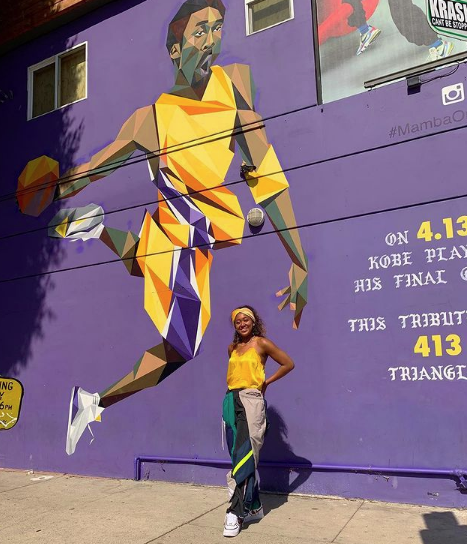
Osaka and the NBA great grew close after meeting in June 2019. She recalled seeing so much of herself in the five-time NBA Championship winner.
“When I talked to him, I felt so similar to him. Like the way he was talking, the way he would describe how, I don’t know, he would do things to get under his opponents’ skin or whatever,” says Osaka. “I was like, ‘That’s literally what I do.’”
Osaka, 23, catapulted to stardom when she won her first U.S. Open against Serena Williams in 2018. But since then Osaka has experienced several highs and lows on the court. While experiencing some tough losses she recalled Bryant sending her words of encouragement and checking in on her. Moments she wishes she could experience now.
“Like, I’m losing matches because I’m mentally weak, and he’s … that’s so uncharacteristic of him. We’re having all these talks and I’m not even doing what we’re talking about,” she says during the episode. Just days before Bryant, his daughter Gianna, and seven others were killed in a helicopter crash, Osaka recalled wanting to reach out to the former NBA star for advice.
“It’s like I’m just gonna text him again, like, ‘How do you heal with this situation?’” Not knowing it would be her last chance to communicate with him, Osaka never sent the text. “I didn’t want to feel like a loser, and now I’ll never have the chance to talk to him again.”
And like the thousands of Bryant fans across the globe, Osaka has grappled with the basketball star’s untimely death. In a January 2020 Instagram post, Osaka shared an open letter to her “Big Bro” in which she thanked him for his mentorship, and for taking the time to check in on her.
This past May, Osaka withdrew from the U.S. Open, citing ongoing struggles with her mental health and dealing with the media. The following month she announced would also be skipping Wimbledon. After a tough year of grieving the loss of her mentor and dealing with her mental health struggles, Osaka managed to show up to the 2021 ESPYs, where she was recognized as the best female athlete of 2020.
It was her first public appearance since taking a break from the scrutiny of a competitive tennis season. “This year has been a really, it hasn’t even finished, but it’s been really tough for a lot us,” she said during her acceptance speech.
Osaka, who is the highest-paid female athlete, will still make her appearance at the Summer Olympics, where she will represent Japan.


