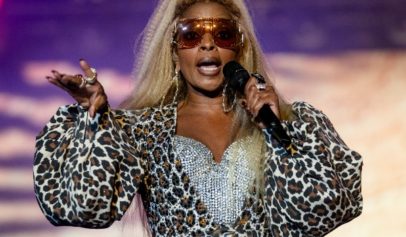
Mary J. Blige’s sophomore album “My Life” is perhaps one of her best projects to date. However, the events that inspired it stemmed from some of the darkest moments in the songstress’s life.
During her highly talked about documentary “Mary J Blige’s My Life,” commemorating the 25th anniversary of the 1994 project, the 50-year-old spoke candidly about the iconic album, her battle with addiction, and times where she had thoughts of suicide.

“I was just trying to drink my life away, take drugs till I die, whatever it was,” the “Just Fine” singer revealed in the film. “Most of the time, I was just depressed, and I didn’t want to live. I’ve had plenty of dark times since then, but this was a turning point, a decision I had to make, either live or die.”
Blige’s fight with substance abuse and an abusive relationship with former Jodeci member K-Ci Hailey and depression threatened to ruin everything the Grammy award winner had worked for until one night, after going on a drinking binge, she found the inspiration to leave the alcohol and drugs alone.
“I was sitting in my living room, and I had been up all night long,” she explained. “It looked like the window opened, and all these clouds came in. I was just high out of my mind. My heart started racing. It was a Sunday morning, and I always feel strange on a Sunday morning. I always feel like God can really see what I’m doing. I was like, ‘I don’t want to do this. I gotta stop doing this.’ You choose life, or you choose death. I chose life.”
Blige revealed that she initially started using drugs in her teens as a way to temporarily escape her harsh surroundings growing up in the projects Yonkers, New York. “We would go to the pier, and we would drink our pain away,” she said. Her newfound fame also brought on anxiety, making it difficult to enjoy the fruits of her labor, stating that she was “scared to death of myself.”
She continued, “So [I’ll do] whatever it takes for me to be comfortable — if I need to drink some more if I need do some more coke, whatever I need to do to loosen up and try to take this in.”
The singer is now in a better place though some of the trauma still haunts her. However, looking back, she says, “the sadness in that album, it’s very triumphant now.” Check out the trailer for the documentary down below, which premiered Friday, June 25, on Amazon Prime Video.