This week Black people who say their ancestors were enslaved by Native Americans pushed back against a proposal to change Columbus Day to Indigenous Peoples’ Day at a public hearing in Chicago.
The American Indian Center and others pursuing the change say the day should be changed because Christopher Columbus’ cruelty toward native peoples, but the measure was met with opposition during the May 24 hearing as the Cook County Board debated the resolution.
“Establishing a Day to recognize the contributions of and diversity within Indigenous populations of the Western Hemisphere is appropriate and necessary to ensure these histories are not forgotten; and…The abolishment of Columbus Day promotes a more equitable and inclusive city for all Chicagoans,” according to the ordinance
Cook County Commissioner Stanley Moore said that before the vote on the proposal can occur, tribes in the U.S. must “acknowledge their role in the rich history of Black slaves.”
Moore says ancestors were slaves to the Choctaw Nation. He said his push to delay the committee vote on the proposal isn’t about Columbus Day but is more “personal,” related to the Choctaw Nation’s unwillingness to accept Freedman descendants members, excluding them from benefits such as shares of casino profits.
The vote is scheduled to take place on June 23.
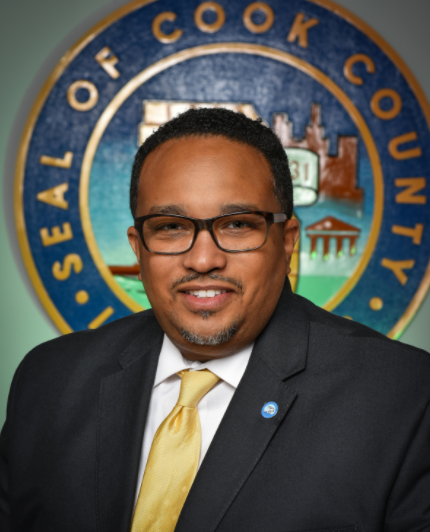
Moore says his great-great-grandfather, Alford Trotter, was a Black Choctaw whose family was enslaved by the Choctaw nation. About 1,200 slaves were taken west with the Cherokee Nation between 1830 and 1831.
The Cherokee, Chickasaw, Choctaw, Muscogee and Seminole nations were known to assimilate to the culture of European settlers, including adopting their religion and owning slaves. Some Choctaws reportedly sold personal property in order to purchase slaves and take them to Indian Territory.
The Choctaw Freedmen were the liberated slaves of the Native Peoples. But according to Moore, the tribes have unjustly denied the Freedmen and their descendants full tribal membership.
“They are discriminating against us, and if they do not want to recognize the Freedmen and their descendants, they should no longer accept nor receive federal taxpayers’ dollars based upon the census population of the Freedmen,” Moore said.
Today, only the Cherokee Nation recognizes the Freedmen as full citizens following a 2017 decision. A federal court ruled at the time that “all the rights of native Cherokees,” should be granted to the descendants of liberated slaves.
“It’s very hurtful and personal for me that when I look up my great-great-grandfather’s name … and see his name with the word ‘denied’ next to it,” Moore said.
Other descendant of Freedmen from different tribes appeared at the hearing virtually.
Kristi Williams, a Creek Freedmen descendant, questioned how she could support “commemorating the history and culture of my ancestors’ slave master?”
Some Italian Americans have also criticized the measure, saying replacing the October holiday will leave them without representation.


