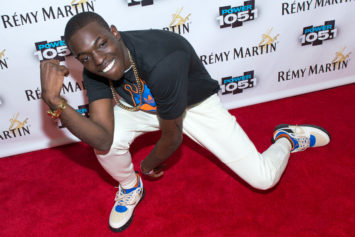
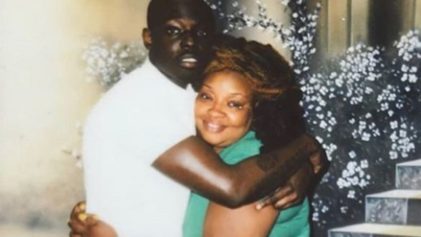
Brooklyn rapper Bobby Shmurda made his return home in February 2021, following a six-year bid at Clinton Correctional Facility in upstate New York for conspiracy and criminal possession of weapons charges. However, the 26-year-old’s freedom did not come without strict provisions.
Documents obtained by TMZ on the “Hot N—a” emcee show his release was contingent on a set of rules attached to his five-year parole. Shmurda, whose real name is Ackquille Jean Pollard, reportedly cannot drink, hang out at bars, or hang out with gang members. He’s also not allowed to break his 8 p.m. curfew, has to submit to a substance abuse testing, and is required to get aggression and anger counseling.
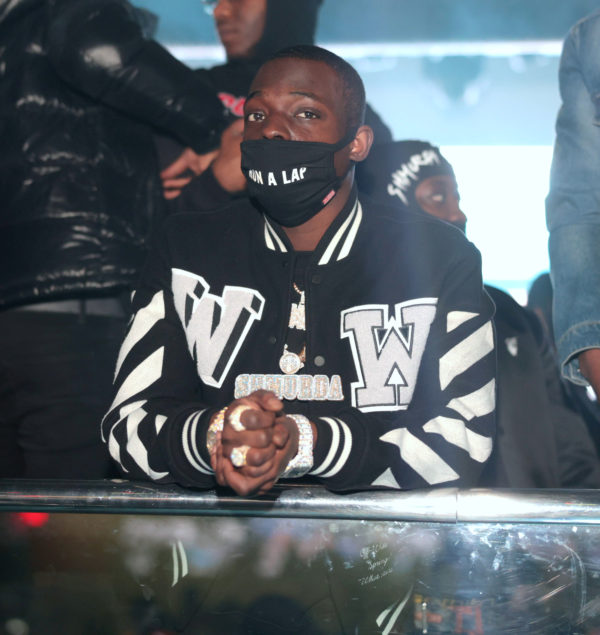
When news came of his parole guidelines, fans online appeared displeased with what they find to be severe terms. Blog site The Shade Room reposted the story, during which a user expressed in the comments section that Shmurda was seemingly a victim of “a system designed for you to fail smh.”
Though harsh, other social media users ensured the critic that those rules were set in place to reduce recidivism—the tendency of a convicted criminal to reoffend. “Or just listen.. this one helps his life! By the time he’s thru, he won’t even want alcohol anymore! Just fresh green juice and water! 😂,” another user responded. “Huh?! this would actually make him succeed. make his music, stay out of trouble at bars and stay sober. y’all weird,” a third wrote.
In 2011, HuffPost published an article stating that “Probation and parole, both used post-release to monitor inmates, are very important to help reducing recidivism.” Washington State Institute for Public Policy also released a study in 2006 stating that recidivism depends not only on the resource provider but also on the individual. Results were provided from a study done with 571 rigorous comparison-group evaluations of adult corrections, juvenile corrections and prevention programs, most of which were conducted in the United States. “The most effective programs have been found to reduce recidivism by about 10 to 15 percent; on rare occasion, up to 20 percent,” HuffPost reported. “Treatment programs work, but this doesn’t mean that everyone who participates in a program will be crime free upon release.”
Still, Shmurda appears to be doing his best to stay within his parole guidelines as he reportedly was spotted turning down a drink earlier this week and has maintained employment since his release, another requirement set in place. Shmurda is under supervision until Feb. 23, 2026.