Four Louisiana police officers were indicted for the death of Tommie McGlothen Jr., a mentally ill man who died shortly after he was taken into custody this past spring.
A Caddo Parish grand jury handed down the indictment against Brian Ross, James LeClare, D’Marea Johnson and Treona McCarter on Wednesday, according to The Shreveport Times. The four Shreveport Police officers were charged with negligent homicide and malfeasance.
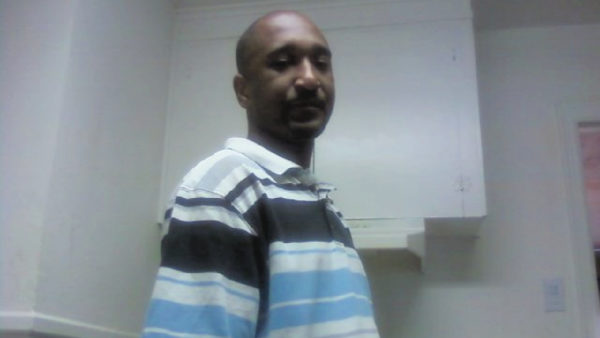
McGlothen suffered from paranoid schizophrenia and depression, The New York Times reported. The district attorney’s office said he “exhibited signs he was a mental patient in need of medical treatment,” when he encountered Shreveport Police three times on April 5.
On the third occasion, the police were called because McGlothen followed a resident into their home and they got into a physical fight. A news release from coroner Dr. Todd Thoma, the Caddo Parish Coroner, reported McGlothen was “mumbling incoherently” and “exhibiting signs of paranoia and emotional disturbance.”
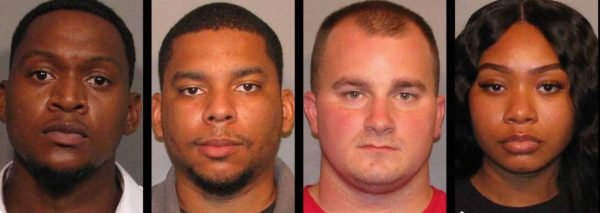
Instead of seeking medical care for the 44-year-old, the officers struck him with their fists, feet and batons. He was also tasered several times. After a scuffle with the officers, McGlothen was reportedly placed in the squad car, and that is when he went quiet, witnesses told KSLA.
McGlothen was in the cruiser, mostly unsupervised, for almost 50 minutes and later died at a hospital. Prosecutors claim he was placed in the car on his head, which limited his ability to breathe. Thoma, the coroner, determined McGlothen died from excited delirium.
The condition causes the sudden death of victims — nearly always in police custody — “who are combative and in a highly agitated state,” according to the American Medical Association. People experiencing excited delirium often display “agitation, excitability, paranoia, aggression and apparent immunity to pain, often associated with stimulant use and certain psychiatric disorders.”
“Although Mr. McGlothen’s death has been ruled from natural causes, excited delirium, it is my opinion that this is still a potentially preventable death,” Thoma said in June.
The four officers face up to 10 years in prison, if convicted. All of them turned themselves in on Friday and each posted a $20,000 bond.


