London-born actress and creative Michaela Coel has been sending shock waves through television with her latest HBO series “I May Destroy You.” The show, based on Coel’s life, depicts the journey of a young writer recovering from a sexual assault incident.
Fans, however, might have initially known Coel from her 2015 Netflix sitcom about a religious, Beyoncé-obsessed 24-year-old, a production from the British entertainment giant Freemantle titled “Chewing Gum.” The show is currently on hiatus, with no plans to return of yet.
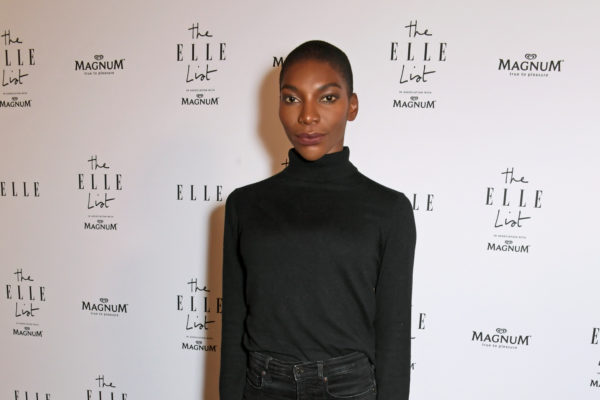
Coel has also starred in other Netflix vehicles, including the film “Been So Long” and the show “Black Mirror.” Yet, when it was time for her to find backing for “IMDY,” the actress parted ways with Netflix despite a million-dollar offer from the streaming platform.
During an interview with Vulture, the 32-year-old revealed the reason behind her decision, explaining that had she went with Netflix, she wouldn’t have been able to keep any of her copyright. To clarify, Coel said that Netflix denied her request to retain a 0.5 percent copyright interest in her show, a much lower amount than her original 5 percent.
The rejection from high-level executives came despite Coel’s full participation in the creation of the series, which included writing and directing all 12 episodes. “There was just silence on the phone,” Coel told Vulture. She continued, “And she said, ‘It’s not how we do things here. Nobody does that. It’s not a big deal.’ I said. ‘If it’s not a big deal, then I’d really like to have 5 percent of my right.’”
Despite the deal not working out, Coel disclosed that even the executive told her that she was proud of her decision and that she was “doing the right thing.” But the actress says her choice to refuse the generous offer did not come without a doubt. “I remember thinking I’ve been going down rabbit holes in my head, like people thinking I’m paranoid, I’m acting sketchy, I’m killing off all my agents,” Coel told the publication. “And then she said those words to me, and I finally realized—I’m not crazy. This is crazy.”
In what seems to be a happy ending, when she pitched the project to the BBC (HBO would later join the project as a co-producer), Coel was granted full creative control, all her rights, and even access to have a say-so in production.
Coel revealed that after the occurrence, she fired her agents in the U.S., CAA, after finding out that they would have gotten a cut from the show on Netflix — whose deal the agents were pushing her to accept — on the back end and they hadn’t been straightforward about it.