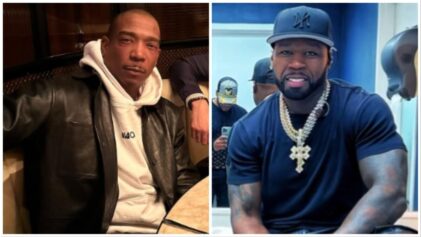
Ja Rule is probably sitting someplace with a wide grin on his face at the moment, because a judge has dismissed an appeal to keep him on as a defendant in a $100 million class-action lawsuit involving the Frye Festival.
In July, Judge Kevin Castel ruled that neither the rapper — real name Jeffrey Atkins — nor Fyre Festival chief marketing officer Grant Margolin was involved in defrauding people.
Castel said that just because the men promoted the failed event —which took place on Great Exuma in the Bahamas — it’s not a definite they knew that people were going to be swindled out of their money.
In their appeal, the law firm Geragos & Geragos provided new evidence, which was a tweet from Rule about the event. And they also pointed to footage from the Hulu and Netlfix Fyre Festival documentaries to say he knew people were going to be scammed.
But the judge said it still wasn’t proven that his tweet is what made people attend.
“This Court rejected plaintiffs’ conclusory assertions that they relied on defendants’ representations about the Festival as insufficient to state a claim for fraud,” Castel ruled in denying the plaintiffs’ appeal on Nov. 7. “In the case of Atkins, plaintiffs alleged an actionable false statement, but failed to allege that they acted in reliance thereon.”
Rule’s attorney Ryan Hayden Smith issued a statement on the judge’s decision after it was rendered.
“In July, the Court dismissed all Fyre Festival claims against Mr. Atkins,” he told Billboard. “After this loss, plaintiffs’ law firm Geragos & Geragos appealed that decision, and the Court denied their appeal. This ruling is nothing short of a total vindication of Mr. Atkins.”
Meanwhile, the mastermind of the Fyre Festival Billy McFarland was sentenced to six years in prison in 2018 after pleading guilty to wire fraud charges connected to the festival. And he was ordered to pay back more than $26 million.
The Fyre Festival, which took place on April 28–30 and May 5–7 of 2017, was doomed from the start. And once people arrived, they weren’t given the swanky accommodations and meals they paid thousands for. Instead, they were given sandwiches in Styrofoam trays and tents to sleep in.
The class action lawsuit, initially filed in 2017 against McFarland, is still ongoing, despite Rule and Margolin being dropped as defendants.