PASADENA, Calif. (AP) — Historian Henry Louis Gates can trace the roots of his upcoming PBS documentary about the Reconstruction to his days in school, when he’d hear about the end of slavery during the Civil War, then virtually nothing about race relations until the civil rights movement in the middle of the 20th Century.
“It led me to think, if Lincoln freed the slaves, why did we need a civil rights movement?” the Harvard historian said at a news conference on Saturday.
The answer arrives April 9 with the Gates-produced, four-hour “Reconstruction: America After the Civil War,” which he hopes enlightens people to what he believes is one of the least understood periods of the nation’s history.
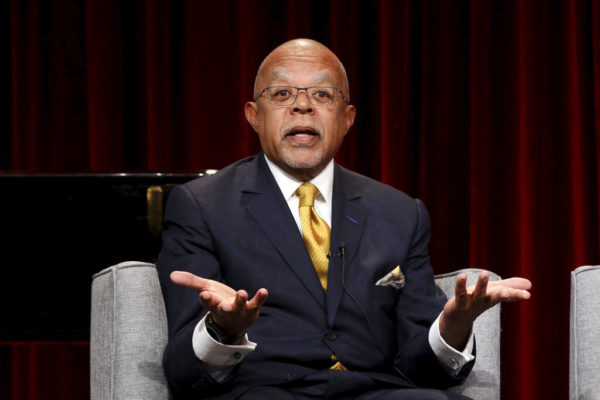
Executive Producer Dr. Henry Louis Gates Jr. participates in the ‘Reconstruction: America After Civil War’ panel during the PBS presentation at the Television Critics Association Winter Press Tour at The Langham Huntington on Saturday, Feb. 2, 2019, in Pasadena, Calif. (Photo by Willy Sanjuan/Invision/AP)
Freeing blacks in the South had a brief and dramatic impact on society. Within two years, about 80 percent of freed blacks in the former Confederacy were registered to vote — a greater participation level by percentage than blacks have today, Gates said.
That scared whites in the South, and in the North, too, and led to a rollback in rights that lasted longer than the initial freedoms, he said. In 1898, more than 100,000 blacks voted in Louisiana. But because the state then restricted voting rights, 1,342 blacks voted six years later.
Racist depictions of blacks took hold in the public imagination in large part because whites controlled the messaging, he said. The 1915 film “Birth of a Nation,” which glorified slavery and demonized freed blacks, has been seen by 240 million people, Gates said.
A fellow historian, Kimberle Crenshaw of UCLA and Columbia University, said the U.S. Supreme Court was restrictive as well, changing the image of anti-discrimination laws into measures that gave blacks special treatment.
“The North won the Civil War, but the South won the narrative war,” Gates said, “and what we are trying to do is change that narrative.”