Lena Horne (1917-2010)
- Horne became a part of the Civil Rights Movement and performed at rallies on behalf of the NAACP and the National Council for Negro Women, and she participated in the March on Washington in 1963.
- Horne’s most known films are “Broadway Rhythm” in (1944) and “Swings Cheer” (1943) both were an all Black cast. She refused to take on any roles that were demeaning such as a domestic worker.
- At the end of 1940, the actress sued several restaurants and theaters for discrimination and found herself blacklisted. She soon became a member of the leftist group Progressive Citizens of America.
- Although Hollywood tried to typecast Horne as a white woman many times, she stood against it. She quoted, “My identity is very clear to me now. I am a black woman. I’m free. I no longer have to be a ‘credit.’… I don’t have to be an imitation of a white woman that Hollywood sort of hoped I’d become.”
- She became the highest paid African-American entertainer in the United States in 1943, after signing a 7-year contract with the film studio Metro Goldwyn Mayer.
- Many don’t know, but Horne was a fellow “Soror” of Delta Sigma Theta Sorority. She was inducted into the sorority as an honorable member of the Sorority’s National Commission on Arts and Letters in 1958.
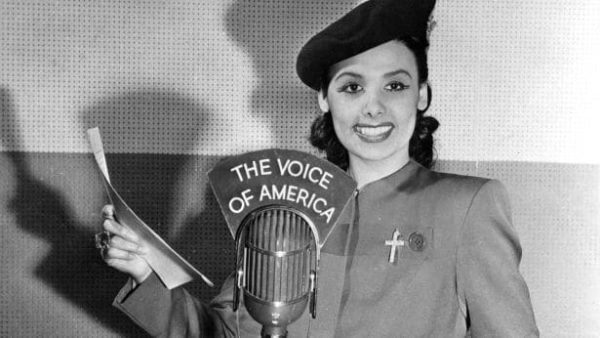
- The performer refused to perform in front of segregated U.S. troops and filed a complaint with the local NAACP office after seeing Black soldiers forced to sit behind German prisoners of war. Instead, she used her own money to travel and entertain troops.
- Horne helped Eleanor Roosevelt in her quest for anti-lynching legislation.
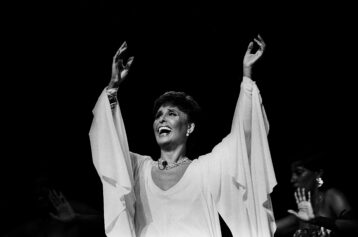
- In 1981 she secured a one woman Broadway show titled “Lena Horne: The Lady and Her Music”. It became one of Horne’s greatest performances and landed her a Special Tony Award.
- Howard University awarded Horne an honorary doctorate in 1989.
Lena Horne is part of our Black Rebel series for Black History Month.