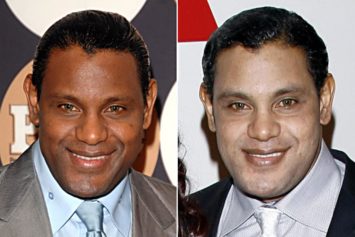
A former model who went from having dark skin to a noticeably paler complexion in the span of 10 years has clashed with a British TV host on the matter.
Singer Irene Major explained on ITV’s “This Morning” Wednesday, Feb. 7 that she feels it’s OK to lighten her skin tone, noting she did not begin doing so as a model but when she wanted to break free from “what the media wanted.”
“Why tanning? Why dying your hair?” Major responds when asked why she does it. “For me, it’s a free world. We are OK to do so as long as we are not harming anyone.”
But AJ Odudu, host of “Big Brother’s Bit on the Side” points to the issue of colorism as the culprit.
“I think our issues lie from within, actually,” Odudu says. “First and foremost, I want to say that no one should be judged — including yourself — if they are to go out and use these methods of lightening our skin. I think if you truly believe that that is the thing for you, then fair enough. However, I think the issue comes if you feel like you’re going to do better.”
Yet the ex-model swiftly shut down that notion.
“For me, it’s a personal thing…I’m not gonna be here and have somebody with fake hair on telling me exactly how I should look like,” Major says. “You’re Nigerian, right? You should be in your traditional clothes. You should take this freaking wig off,” she says as she removes her own blonde ombre wig.
“Let’s show them Africa … take your wig off, let’s show them.”
Odudu did not remove her wig but instead explained that if she did so and straightened her afro, it would resemble the straight hair she wore on-air.
After some crosstalk, she continued, “If you [were] to go to Africa for a month it’s in the realms of possibility to have darker skin. If we were to move to the North Pole tomorrow, it’s not within the realms of our possibility to get lighter.”
Yet Major continued to defend her stance, saying she refuses to use anything over the counter, regardless of “This Morning” co-host Holly Willoughby pointing out the lingering side effects.
“We can’t stop it,” Major says. “This has been going on for decades. You name it, slavery this is part of it…”
“But why?” Odudu asks. “Is it because you feel more accepted?”
“It’s not about acceptance,” Major interrupts. “It’s about you go under the UV treatment, we [even out our skin].”