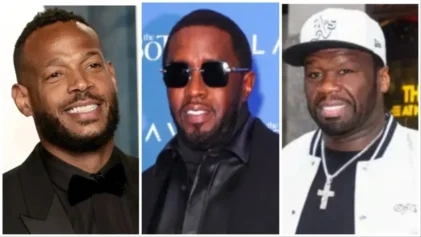
Well aware of the H&M controversy, Marlon Wayans has an idea about how it could have been avoided altogether. The “Naked” star spoke to TMZ Tuesday, Jan. 9 about the Swedish retailer’s ad featuring a Black boy in a hoodie that said, “Coolest Monkey In the Jungle.”
“I think that they need some Black people in their company that look over s— before you put it out, you go, ‘What do ya think of this?'” he says. “And you’ll get, ‘Oh hell no! You got the Black kid in a monkey shirt? B—-, no, no, no. He’s a f—— king, b—-!'”
H&M has gotten blasted by celebrities and everyday consumers alike for its apparel promotion. The Weeknd, who had a collection with the company, vowed not to collaborate with them again.
By Tuesday evening, H&M issued another statement on its social media channels. It said in part, “This incident is accidental in nature, but this doesn’t mean we don’t take it extremely seriously or understand the upset and discomfort it has caused.”
H&M In the News
H&M Issues Additional Apology Stating It’s Launching Probe As Celebrities Slam Racist Ad
In the Wake of H&M’s Recent Apology, Is Min. Farrakhan’s Call For a Boycott More Appealing?
African-American Woman Falsely Accused of Shoplifting at H&M Awarded $150K
“We have taken down the image and we have removed the garment in question from sale,” it continued. “It will be recycled.”
“We will now be doing everything we possibly can to prevent this from happening again in future. Racism and bias in any shape or form, conscious or unconscious, deliberate or accidental, are simply unacceptable and need to be eradicated from society.”