8 Black Celebrities Living with Bipolar Disorder

(Photo by Jonathan Bachman/Getty Images)

Metta World Peace, aka Ron Artest
Former Los Angeles Laker Ron Artest, now known as Metta World Peace, opened up about his struggle with biploar disorder back in 2012. Peace has made strides in managing his mental health ever since his memorable outbursts on and off the court. Most notably, there was that incident in 2004 when the then-Indiana Pacer stormed into the audience and punched a fan who had thrown a drink at him.

“People still see me as erratic and wild at times, but I feel really good with where I’m at right now,” World Peace told mental health patients during a talk at a hospital. “I still like to have fun and do random things. I’m really comfortable because I address my issues.”
(Photo by Michael Mulvey for The Washington Post via Getty Images)

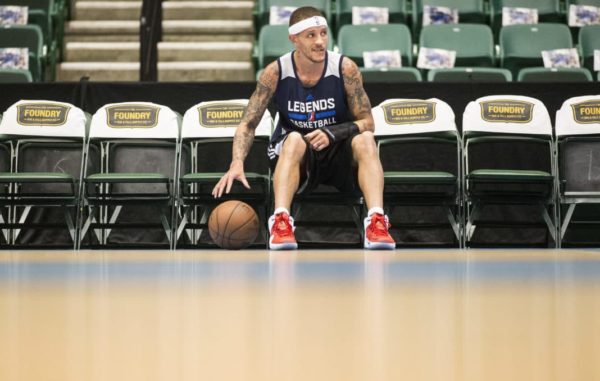
Delonte West
NBA alum Delonte West fell from grace after a series of self-destructive incidents that derailed his basketball career. The ex-Cleveland Cavalier revealed his struggle with bipolar disorder in 2008 after going off on a referee during a preseason game. In a sit-down interview with The Washington Post in 2015, West said he’d been battling the disorder since childhood, finding himself in and out of children’s hospitals after he began swallowing pills and cutting himself.

In 2016, disturbing photos of the former basketball star surfaced showing him wandering the city barefoot in a hospital gown.

Democracy needs journalism it can trust.

This election season, the stakes are higher than usual — and so is the pressure on newsrooms to soften their coverage, stay quiet, or just disappear. Independent reporting, the kind that answers to readers instead of advertisers or political pressure, matters more in a moment like this, not less.

For over 14 years, Atlanta Black Star has stayed independent and reader-funded. We have no corporate owner and no shareholders telling us what to cover or how to cover it. That independence is also our biggest vulnerability: nothing protects it except readers choosing to fund it directly.

Newspaper ad revenue has fallen more than 80% since 2005, and local newsrooms are closing at a rate of roughly two a week nationwide. When outlets go under in a moment like this, it's rarely the independent, reader-funded ones that get to stick around.

We know a request for support isn't why you came here. But without readers choosing to fund this work directly, the depth of reporting we can do at home and abroad shrinks along with everyone else's. If you're not in a position to give, that doesn't change how much we value you as a reader.

If you are able to, a recurring contribution does more for us than a single one-time gift, because it lets us plan the next investigation instead of just the next invoice. It takes about 30 seconds, no long form, no account. Thank you for continuing to support independent journalism and freedom of the press.

Back to top