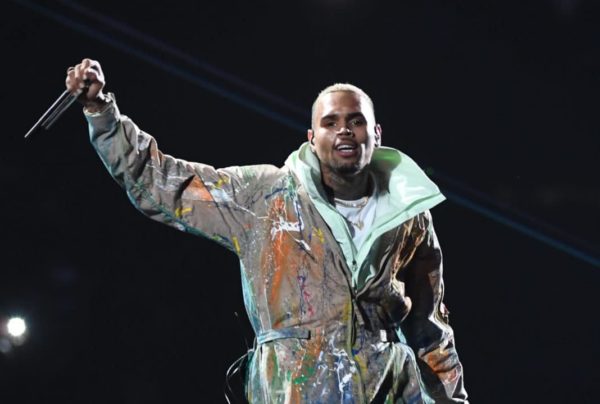
(Photo by Paras Griffin/WireImage/Getty Images)
Chris Brown
R&B/pop singer Chris Brown was diagnosed with bipolar disorder and post-traumatic stress disorder in 2014 following a string of high-profile incidents that had the potential to end his career. Brown’s mental health issues were revealed during a court-ordered stay at a rehab facility where he was being treated.
In its report, the facility wrote that, “[Brown] became aggressive and acted out physically due to his untreated mental health disorder … severe sleep deprivation, inappropriate self-medicating and untreated PTSD,” adding that it’s not uncommon for patients suffering with PTSD and Bipolar II disorder to self-medicate with substances to help balance their moods swings and trauma triggers.
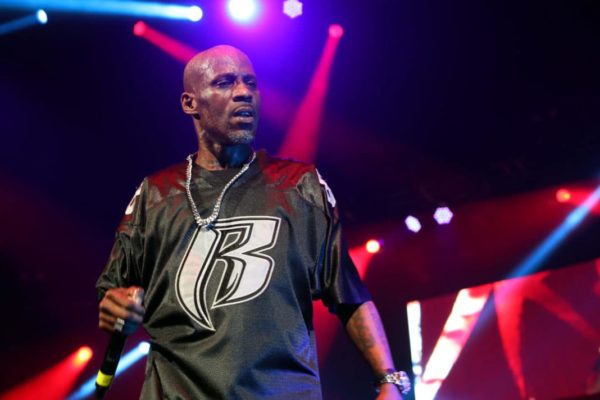
(Photo by Johnny Nunez/WireImage/Getty Images)
DMX
In a 2011 interview with Arizona’s ABC15 news, rapper DMX opened up about his personal battle with bipolar disorder and substance abuse. DMX, whose legal name is Earl Simmons, told the news station he used to be able to distinguish “X” from Earl but was no longer able to.
“I used to be really clear on who was what and what characteristics each personality had,” he said. “But I don’t know at this point. I’m not even sure there is a difference. I am Earl when I am with my children. I miss my children, I miss my children, I miss my children.” In May, the rapper cancelled a number of tour dates and checked himself into a rehab facility in California citing a “medical emergency.”