8 Black Celebrities Living with Bipolar Disorder

(Photo by Paras Griffin/WireImage/Getty Images)

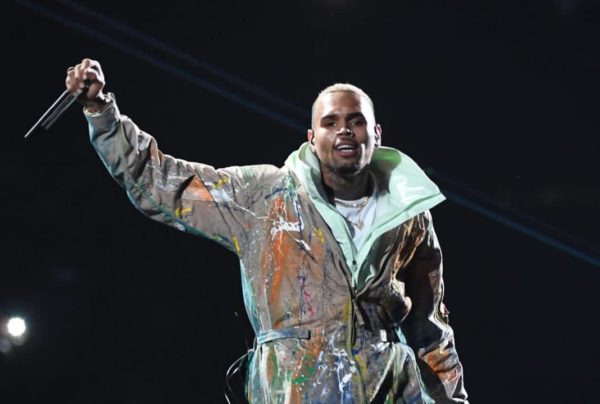
Chris Brown
R&B/pop singer Chris Brown was diagnosed with bipolar disorder and post-traumatic stress disorder in 2014 following a string of high-profile incidents that had the potential to end his career. Brown’s mental health issues were revealed during a court-ordered stay at a rehab facility where he was being treated.

In its report, the facility wrote that, “[Brown] became aggressive and acted out physically due to his untreated mental health disorder … severe sleep deprivation, inappropriate self-medicating and untreated PTSD,” adding that it’s not uncommon for patients suffering with PTSD and Bipolar II disorder to self-medicate with substances to help balance their moods swings and trauma triggers.
(Photo by Johnny Nunez/WireImage/Getty Images)

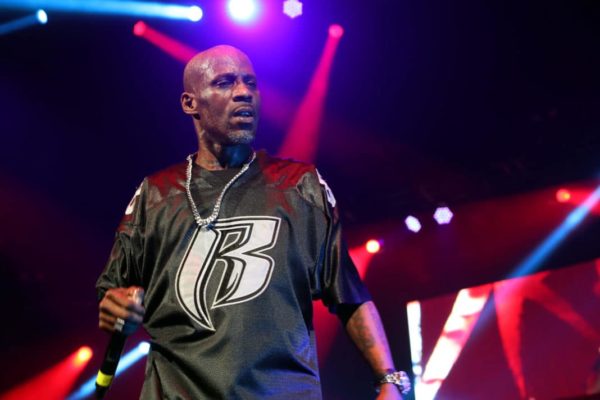
DMX
In a 2011 interview with Arizona’s ABC15 news, rapper DMX opened up about his personal battle with bipolar disorder and substance abuse. DMX, whose legal name is Earl Simmons, told the news station he used to be able to distinguish “X” from Earl but was no longer able to.

“I used to be really clear on who was what and what characteristics each personality had,” he said. “But I don’t know at this point. I’m not even sure there is a difference. I am Earl when I am with my children. I miss my children, I miss my children, I miss my children.” In May, the rapper cancelled a number of tour dates and checked himself into a rehab facility in California citing a “medical emergency.”
Democracy needs journalism it can trust.

This election season, the stakes are higher than usual — and so is the pressure on newsrooms to soften their coverage, stay quiet, or just disappear. Independent reporting, the kind that answers to readers instead of advertisers or political pressure, matters more in a moment like this, not less.

For over 14 years, Atlanta Black Star has stayed independent and reader-funded. We have no corporate owner and no shareholders telling us what to cover or how to cover it. That independence is also our biggest vulnerability: nothing protects it except readers choosing to fund it directly.

Newspaper ad revenue has fallen more than 80% since 2005, and local newsrooms are closing at a rate of roughly two a week nationwide. When outlets go under in a moment like this, it's rarely the independent, reader-funded ones that get to stick around.

We know a request for support isn't why you came here. But without readers choosing to fund this work directly, the depth of reporting we can do at home and abroad shrinks along with everyone else's. If you're not in a position to give, that doesn't change how much we value you as a reader.

If you are able to, a recurring contribution does more for us than a single one-time gift, because it lets us plan the next investigation instead of just the next invoice. It takes about 30 seconds, no long form, no account. Thank you for continuing to support independent journalism and freedom of the press.

Back to top