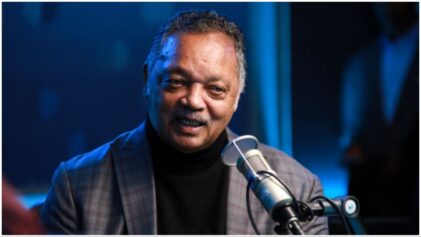
Herb Kent (Facebook)
Herb Kent, who served as an iconic radio personality in Illinois for seven decades, has died. The music legend was 88.
Chicago’s V103 revealed the news on its website. Kent died Saturday night following what became his last radio broadcast that morning.
“No words can express our great sense of loss,” iHeartMedia Chicago Region President Matt Scarano said in a statement. “Herb was an iconic talent, who for nearly 70 years entertained millions of listeners in Chicagoland and around the world. His passion for radio and work ethic was second-to-none as Herb worked to the very end, by hosting what unexpectedly was his final V103 broadcast on Saturday morning.
“We are so thankful for the privilege of working alongside such a historic figure as Herb Kent for the past 27 years. Our thoughts and prayers are with Herb’s family, friends, and loved ones.”
Fellow iHeart executive Derrick Brown added, “Herb was our radio superhero.”
“While I am incredibly sad, I hold so much joy remembering the fun times we’ve had with him and the smiles he brought to our faces,” Brown continued. “Herb will hold an eternal place in our hearts.”
Kent’s family has not publicly commented and funeral arrangements are forthcoming.
The radio pioneer always had an interest in broadcasting. He was born in 1928 in Chicago. Raised in the Bronzeville, Illinois Ida B. Wells housing project, he told SoulTrain.com he crafted radios using items like earphones and toilet paper inserts as a child.
Although he ultimately achieved success in local radio, Kent faced obstacles as he worked to become an announcer.
“I worked as a mailroom boy for a major network,” he said. “And was once told, ‘You have a great voice, but you’ll never be an announcer because you are a Negro.’ That was my signal to make a difference and from that day forward, I pushed harder and eventually landed an on-air paid job.”
The Chicago Sun-Times reported Kent began his 70-year stint in radio by hosting a classical music program on WBEZ. The 1940s saw him playing records on WGRY/Gary and starring in WMAQ radio dramas. In the next decade, Kent worked for Chicago’s biggest Black radio station, WGES. There, he developed the phrases “dusty records” also known as “dusties.”
Kent did not just spin records. He was also active in the Civil Rights Movement. Additionally, Kent raised money for Black power groups. As a broadcaster for WVON, he was the first broadcaster to play many iconic Motown acts.
“The station was the go-to spot on the radio dial for the latest news about the Civil Rights Movement and the hottest sounds from Motown,” Rev. Jesse Jackson said in a statement to ABC 7. “Berry Gordy sent every song he produced to WVON before anywhere else. If a song got played on WVON, word quickly spread across the country — another hit was coming out of Chicago.”
Plus, Kent told the Chicago Tribune the station birthed talk radio, giving voice to Black politics in the city.
“We needed a Black talk-radio station,” he said. “Because they got into all kinds of things. Race riots, racism, food stamps, poverty, civil rights — from a black point of view, which we never had before. Just absolutely phenomenal. Because the white radio stations never gave us that much time.”