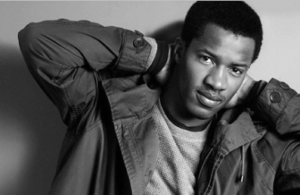
Nate Parker (Flickr)
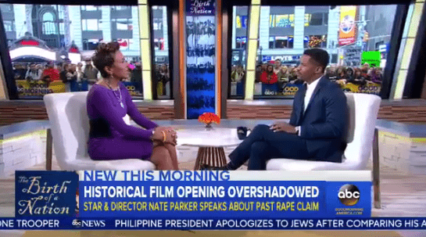
Filmmaker Nate Parker broke his silence once again about the 1999 rape case from his college years. The writer, director and star of “The Birth of a Nation” spoke about misunderstanding consent and his new view on the trial. He also acknowledged his “selfish” initial reaction to the resurfaced allegations.
“I think it’s very difficult to talk about injustice and not deal with what’s happening right now,” the 36-year-old told the audience at a screening of the movie. “When I was first met with the news that this part of my past had come up, my knee-jerk reaction was selfish. I wasn’t thinking about even the potential hurt of others; I was thinking about myself.”
The social activist was referring to his response to Variety regarding the allegations.
“Seventeen years ago, I experienced a very painful moment in my life,” he said of the case he was acquitted of while at Penn State. “It resulted in it being litigated. I was cleared of it. That’s that.”
In a post-showing interview with Ebony magazine, Parker explained his mindset as a teen at Penn State.
“Put it this way, when you’re 19, a threesome is normal. It’s fun. When you’re 19, getting a girl to say yes, or being a dog, or being a player, cheating,” he explained. “Consent is all about – for me, back then – if you can get a girl to say yes, you win.”
He pointed out that his views on consent now are more direct. Parker said he directly asks his wife Sarah DiSanto if she wants to have sex. But he notes, he is “still learning.”
“Asking that question outright when I was younger? No. I just want to preface this all, I keep saying it, I’m learning, still. I’m 36 years old and I’m learning about definitions that I should have known when I started having sex.”
The issue surrounding consent is what the 1999 rape trial stems from. Atlanta Black Star reported Parker maintained the sex with his accuser – who committed suicide in 2012 – was consensual. But she said she was unconscious.
Elsewhere in the conversation with Ebony, Parker addressed his harmful concept of being a man. And acknowledged its role in his initial responses about the case.
“I called a couple of sisters that [I] know that are in the space [who] talk about the feminist movement and toxic masculinity, and just asked questions,” he shared. “And what I realized is that I never took a moment to think about the woman. I didn’t think about her then, and I didn’t think about her when I was saying those statements, which was wrong and insensitive.”
Parker didn’t know about hyper-masculinity until he got married and started a family. Parker also acknowledges he did not think of the rape accuser in the years since the trial.
“I hadn’t thought about it at all,” he said.
But he makes it clear that he still has more learning to do when it comes to gender issues.
“This is not the end-all, it’s a work in progress. And I say that humbly as a person that has literally been humbled into really reassessing his ideas and thoughts.”