Afropunk
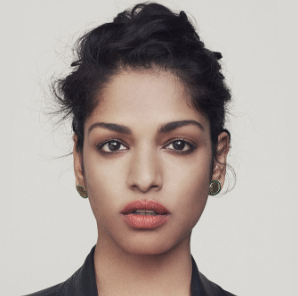
Black music fans are upset after it was announced yesterday that UK rapper M.I.A. will headline Afropunk’s first festival in London. The rapper has previously been in hot water over her comments denouncing the Black Lives Matter movement.
The festival is Sept. 24 in Alexandria Palace, according to the website. Other acts scheduled to appear include SZA, Benjamin Booker, Gaika, Soulection, Purple Ferdinand and Ho99o9.
As is standard with most Afropunk shows around the world, once the sun goes down an AfterDark party begins. Concert-goers can take in a comedy show, celebrity DJ set, film screenings and art installations.
Tickets go on sale Friday, but many fans are wondering if it’s worth the price to see the 40-year-old rapper perform.
An editor’s letter published by Black Ballad Wednesday criticized M.I.A.’s involvement.
“The festival has built itself on a slogan of no sexism, no racism, no ableism, no homophobia, no fatphobia, no transphobia and no hatefulness,” writes Tobi Oredein. “That is the message that Afropunk parades, stands on and sells on t-shirts. Yet its main act spoke out of spite and hatefulness for a movement that is trying to save the lives of the festival’s target audience? No wonder black people are perplexed at her participation.”
Oredein is referring to the political musician’s comments to the Evening Standard in April which took aim at BLM, Beyoncé and Kendrick Lamar.
“It’s interesting that in America the problem you’re allowed to talk about is Black Lives Matter,” she told the website. “It’s not a new thing to me — it’s what Lauryn Hill was saying in the 1990s or Public Enemy in the 1980s. Is Beyoncé or Kendrick Lamar going to say Muslim Lives Matter? Or Syrian Lives Matter? Or this kid in Pakistan matters? That’s a more interesting question. And you cannot ask it on a song that’s on Apple, you cannot ask it on an American TV program, you cannot create that tag on Twitter, Michelle Obama is not going to hump you back.”
Twitter brought more negative reactions.
One user threatened a boycott if M.I.A. performs.
https://twitter.com/JAYKASTHD/status/743386680950947840
Caleb said the thought of the star’s inclusion makes him uncomfortable.
The issue of reaching Afropunk is that i wona go to vibe with my fellow people but the MIA headline makes me itch. But all of that dont…
— Caleb (@CalebFemi_) June 16, 2016
Another user found the ordeal humorous given the controversial singer’s stance.
https://twitter.com/chidzhazenberry/status/743094853857333248
Lawrence Burney expressed his disappointment in the festival for their headlining act based on her negative comments on BLM.
Smh at AfroPunk having MIA headline a festival after her very anti-black comments which were VERY recent
— Lawrence Burney (@TrueLaurels) June 15, 2016
Vikki questioned who was responsible for the decision.
I don't get how MIA is headlining Afropunk when all she does is piggyback activism and throw us under the bus lol who needs to be fired?
— vk🇵🇸 (@vkreloaded) June 15, 2016