NBC
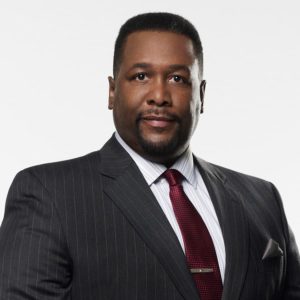
Actor Wendell Pierce allegedly attacked a couple in Atlanta over the weekend when an argument between the pair and the “Confirmation” star got heated.
According to The Daily Beast, Pierce was speaking with a couple at the Loews Hotel at 3:30 a.m. on May 14. The group talked at a bar called The Lobby, located between a restaurant and the hotel check-in desk.
While the woman and her boyfriend spoke with the 52-year-old about Democratic Party presidential nominees, the conversation reportedly turned violent. Allegedly, the former star of “The Wire” became upset when the woman voiced support for Bernie Sanders. Pierce is an advocate for Hillary Clinton, and he donates to Democrats regularly. He has given $2,700 to Clinton as shown by Federal Election Commission records.
TMZ reports the actor became angry and pushed the boyfriend. He then grabbed the girlfriend’s hair and smacked her in the head. The couple went to their hotel room and called security. Then the police were called and Pierce was arrested and taken to the Fulton County jail for simple battery.
At the time of the arrest, Pierce made no mention that he was famous. Donald Hannah, the Atlanta Police Department’s public information officer, released the following statement in the absence of a police report.
“Mr. Wendell Pierce was arrested early Saturday morning at Atlanta Loews Hotel, where he was a guest. The incident did not rise to anything significant so no special notification was made … it was treated like any other arrest a patrol officer conducts. Mr. Pierce made no indication he was famous nor did the officer inquire. Once the incident report is complete we will be delighted to share the details. But at this time, there is nothing significant to share with the media.”
According to the Fulton County Jail website, Pierce was later released on $1,000 bond. He has yet to make any public comments on the matter.
The New Orleans native is known for his charity work. After his family’s house in Pontchartrain Park, Louisiana was flooded by Hurricane Katrina, he founded the Pontchartrain Park Community Development Corporation in 2007. It aimed to build 125 new homes in the neighborhood. The town is known as the city’s first post-war Black suburb, according to The Washington Post. As of 2016, People reports 40 homes have been rebuilt.
Most recently, he pledged to invest $20 million for a Baltimore apartment complex to create jobs for the city. Atlanta Black Star reports the project should be completed by the end of 2017.