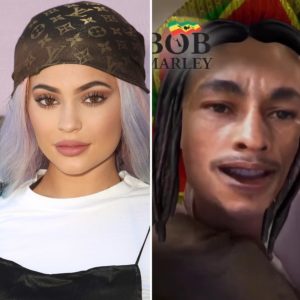
Kylie Jenner using the Bob Marley Snapchat filter (Teen Vogue)
Snapchat has been accused of using Blackface for a filter featuring the late Jamaican singer Bob Marley. The company made the filter celebrating 4/20, the unofficial holiday of marijuana.
Snapchat users can access the filter by holding their phones in front of their faces. Then, they should swipe to the left to reach the “Bob Marley” icon. Once selected, Marley’s image will cover their face as one of his songs plays. The app urges the user to “raise your eyebrows” to change the track. Three songs are available as clips: “Three Little Birds”, “Could You Be Loved” and “No Woman No Cry.”
Criticism of the filter stems from the app’s use of Marley’s face, reducing him to a celebration of marijuana. One of the biggest issues is digital Blackface. White users have taken photos with the filter, including reality star Kylie Jenner. Many took to Twitter to share their disapproval of the filter.
https://twitter.com/chidzhazenberry/status/722822500049096704
https://twitter.com/MatthewACherry/status/722806089788489728
https://twitter.com/Eli1ah/status/722730212505579520
https://twitter.com/moneyries/status/722778592569139200
https://twitter.com/henoss_t/status/722800504993157120
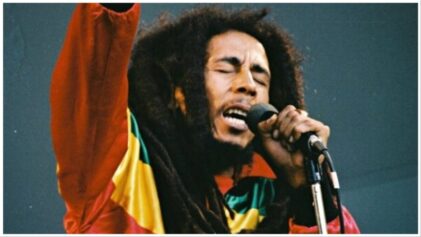
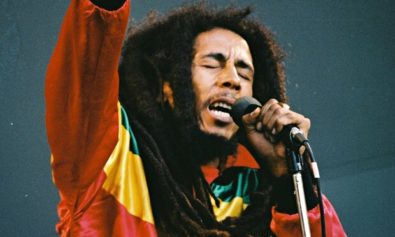
Bob Marley is hailed as a cultural icon. According to his official website, he advocated for social change while giving listeners an escape from their worries though his music. He urged Black people to learn their history from King David to Solomon in this song “Blackman Redemption.” His music also promoted pan-African awareness and progressive political ideals.
Though many use his likeness as a symbol for marijuana, Marley didn’t smoke weed for recreational purposes. He had strict spiritual ties to the herb. As a Rastafarian, he was a big supporter of the plant’s spiritual, healing and medicinal uses. His music reflects his beliefs.
In a statement to The Guardian, Snapchat defends their Bob Marley filter.
The lens we launched today was created in partnership with the Bob Marley Estate, and gives people a new way to share their appreciation for Bob Marley and his music. Millions of Snapchatters have enjoyed Bob Marley’s music, and we respect his life and achievements.