 “We gon’ be alright. It’s a chant of hope and feeling,” Kendrick Lamar explains.
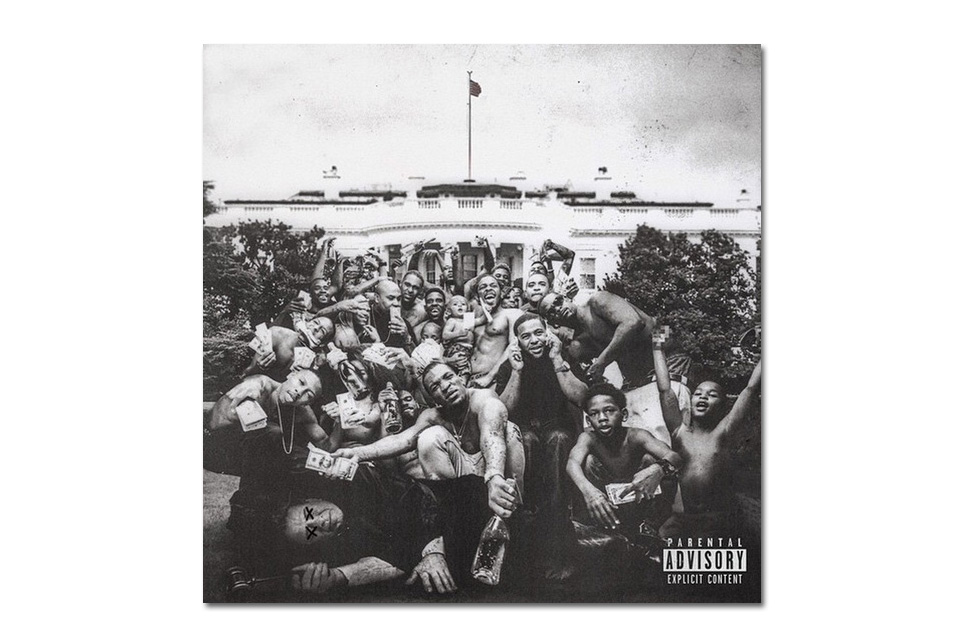
He has 11 Grammy nominations this year, including one for powerhouse single “Alright,” but for Kendrick Lamar the acclaim of his recent To Pimp a Butterfly album was more about the message than recognition of its success.
“This album did what I wanted it to do,” Kendrick Lamar said during an exclusive interview with the New York Times. “That’s not necessarily to sell tons of records — though it didn’t do bad at that either — but to actually have an impact on the people and on the culture of music.”
And he certainly has made an impact. “Alright” went on to become a provisional anthem for Black Lives Matter activists. Lamar highlighted the moment when he recognized “Alright” had taken root in the movement.
“When I’d go in certain parts of the world, and they were singing it in the streets. When it’s outside of the concerts, then you know it’s a little bit more deep-rooted than just a song. It’s more than just a piece of a record. It’s something that people live by — your words,” Lamar said.
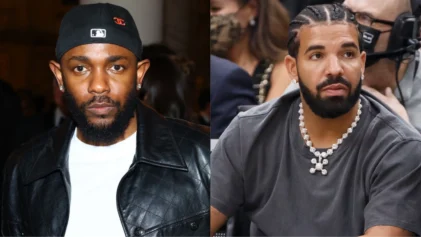
He also shared his favorite hip hop experiences of the 2015. One, when he found out President Obama picked his song “How Much a Dollar Cost,” as his favorite song of the year, and the second being Drake and Future’s huge success with their What a Time To Be Alive mixtape which practically exploded on the charts.
And for the record, Lamar holds no distinction between party music and “real” hip-hop. He explains, “If it makes you feel good, and it makes you move — I don’t know these guys personally. I don’t know what makes them move on a personal level. I can’t knock it. It feels good when I listen to it, when I’m in that vibe. You feel it. You can get the highest level of that — you can get Future — or you can get the watered-down version, somebody else trying to be that.”
For the Compton native, hip-hop is a cathartic experience, so while he constantly has his pen-in-hand, Lamar creates new music only when the flow of inspiration arrives.
“Music moves with the times. It’s not something we have to consciously do. This is what’s happening in the world — not only to me but to my community. Whenever I make music, it reflects where I’m at mentally. And this is where we’re at. When you look at other artists doing the same thing, it’s of the times. And it’s much needed.”