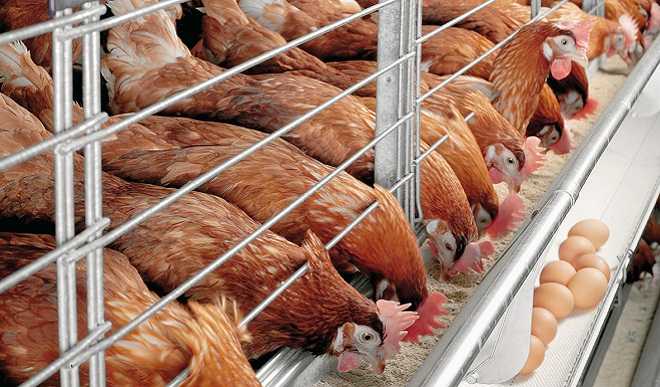
 CAPE TOWN (Reuters) – South Africa has signed an agreement with the United States to resume imports of 65,000 tonnes of chicken each year, which had become bogged down over health concerns, the government said on Tuesday.
Signing the veterinary trade protocol, one of the key missing elements, comes after the U.S. threatened to suspend trade benefits for South African farm products earlier this month, in retaliation against the clamp down on poultry imports.
South Africa has been concerned that an outbreak of avian flu in the United States which killed nearly 50 million birds could pose animal and human health risks to Africa’s most advanced economy.
“We are on track to resolving the outstanding issues related to beef and pork. The chicken protocol shows we are moving in the right direction,” South Africa’s Department of Trade and Industry spokesman Sidwell Medupe told Reuters, adding that outstanding issues will be finalised by Dec.31.
Addressing a news conference later, Trade and Industry Minister Rob Davies, said they were close to resolving all outstanding issues, which included concern over the salmonella bacteria as well as pork shoulder cuts, before the deadline expired.
“We think we are going to conclude everything well before the expiry of a deadline which they said would result in the termination of aqriculture exports,” Davies said.
U.S. President Barack Obama said on Nov. 5 that he planned to revoke the duty-free status in 60 days for South African agriculture produce, including oranges and macadamia nuts, unless they took action to smooth poultry exports.
The pact the two countries signed is part of the African Growth and Opportunity Act (AGOA), a U.S. programme designed to help African exporters.
The agreement would see the United States emerge as one of the top poultry exporters to South Africa.
South Africa imposes “anti-dumping” duties of above 100 percent on certain chicken products, and industry groups said removing those import barriers opened a market which had been closed for the last 15 years.
Read the full story at news.yahoo.com