Alicia Keys is recognized as one of the most gifted singers and artists of our generation. She has also made it a point since the infancy of her career to mature as a political activist.
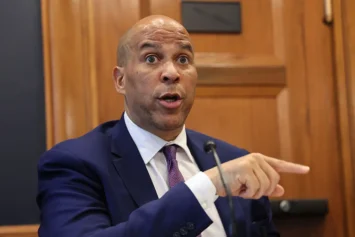
This past Monday, Alicia Keys was joined by Senator Cory Booker and civil rights activist Van Jones on Capitol Hill to speak with Congress about criminal justice system reform, with an emphasis placed on the incarceration of youth.
“Nowhere in the rest of the western world are juveniles being tried as adults, or even worse, sentenced to life sentences without parole,” she said. “Is this who we are now? Is this who we want to be? These are just regular boys and girls, trying to find their way.”
In her interview with The Guardian, Keys spoke on how her trip to Baltimore opened her eyes to the strife young Black men and women face on an everyday basis. Keys spoke with several young people, including a young man had was given a chance to go to high school and become the first person in his family to go to college, and a young girl who was only 14 when she was incarcerated.
“Fourteen years old and tried as an adult. Sixteen years old and tried as an adult,” she said, “We can no longer afford to be this cruel to our young… It’s heartless.”
Growing up a biracial child in the Hell’s Kitchen section of New York with a single mother, Keys knows the fire that inspires and drives her could have been extinguished without the opportunities afforded to her. She could have been a youth thrown away without consideration. Last year, she started the We Are Here social awareness campaign in the wake of the high-profile police brutality cases. Keys’ visit to Washington D.C. comes as The Sentencing Reform and Corrections Act courses its way through Congress. If passed, the law would reduce mandatory sentences for a third drug or violent offense. This act can go a long way in helping alleviate Black mass incarceration.
The Bureau of Justice Statistics’ National Prisoner Statistics Program states that of the 18 million Black men in this country, 745,000 are currently behind bars. According to the Sentencing Project, 1 out of every 19 Black women can be expected to be imprisoned during their lifetime. This contributes to the 25 percent overall prison population the U.S. has, despite representing only 5 percent of the world’s population. Many of these current prisoners were past youth offenders.
Alicia Keys knows this is the time to apply pressure on lawmakers and give Black young men and women a chance to live.
“It’s the opportunity or the lack of that makes all the difference in the world,” she said. “It really has the potential to change everything.”