(ABC/Craig Sjodin)
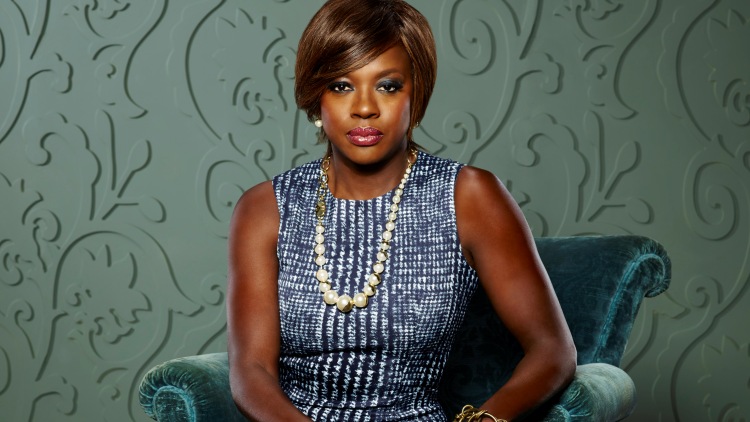
In more ways than one, Viola Davis proved to be a trailblazer with her stellar portrayal of professor Annalise Keating in How to Get Away with Murder, but during a roundtable discussion for The Hollywood Reporter she admits that she was initially afraid to take on the role.
It’s hard to imagine anyone else other than Davis snatching off wigs and false eyelashes on live television while still serving up a flawless portrayal of a sexy, powerful woman who still has a plethora of skeletons building up in her closet.
It’s a unique representation of a Black woman that isn’t often seen on the small screens today with the vulnerability and complexity that Davis brings to Keating. But with the character getting into relatively uncharted territory, Davis knew that she had quite the challenge ahead of her.
“There was absolutely no precedent for [the role],” Davis said. “I had never seen a 49-year-old, dark-skinned woman who is not a size 2 be a sexualized role in TV or film. I’m a sexual woman, but nothing in my career has ever identified me as a sexualized woman. I was the prototype of the ‘mommified’ role.”
With her role in “The Help” being of her most popular big screen appearances in recent years, there is certainly enough evidence to support Davis’ statement.
With so many other older Black women being pushed into such “mummified” roles, Davis decided this was her chance to drastically shake up the Hollywood landscape.
“This is your moment to not typecast yourself, to actually play a woman who is sexualized and do your investigative work as an actor to find out who this woman is, and woman up and put a real woman on TV who’s smack-dab in the midst of this pop fiction.”
But even as she accepted that responsibility, she knew what kind of backlash she might receive for the role.
“I was going to have to face a fact that people were going to look at me and say: ‘I have no idea why they cast her in a role like this,’ “ She added. “ ‘She just doesn’t fit. It should have been someone like Halle Berry. It’s her voice, and she doesn’t walk like a supermodel in those heels.’ And people do say that, they do.”
Despite such naysayers, however, Davis has refused to let any negativity impact her work and she constantly speaks about how the role has allowed her to push the boundaries of what is considered a sexy, beautiful woman in Hollywood.


