Attorney General Loretta Lynch
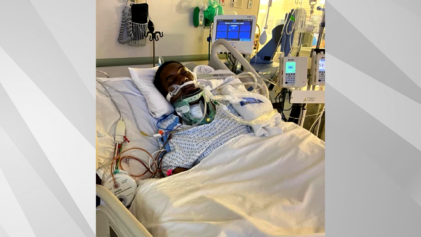
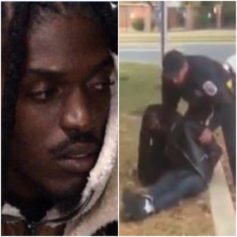
Attorney General Loretta Lynch announced Friday morning that the Justice Department will immediately launch a civil rights investigation into the Baltimore police department following the tragic death of 25-year-old Freddie Gray, whose spine was severed while he was in police custody.
The announcement will bring even more pressure on new attorney general, Loretta Lynch, as she already inherited many of the civil rights probes left behind by former Attorney General Eric Holder.
Baltimore’s mayor, Stephanie Rawlings-Blake, announced Wednesday that she would be requesting for the Justice Department to investigate the city’s police force for any patterns or “practice of stops, searches or arrests that violate the fourth amendment.”
She added that she wants racist officers to be removed from the force, stating that they had “no place” in the Baltimore police department.
Baltimore was already participating in a voluntary review by the Justice Department but the civil rights investigation will be a thorough, Ferguson-style report that could allow investigators to not only observe policing practices but also access officer emails and other personal records.
Lynch added that the new investigation will also allow for more collaborative efforts between the police, governing bodies and people in the community.
The result of the Justice Department’s investigation in Ferguson pulled the curtains back on the realities of racism and corruption in the city, and led to the firing and resignation of several officials as the city now attempts to rebuild its community—physically, politically and economically.
Cleveland, where 12-year-old Tamir Rice was fatally shot by officer Timothy Loehmann, marked another police department riddled with corruption that was exposed by the Justice Department’s investigation.

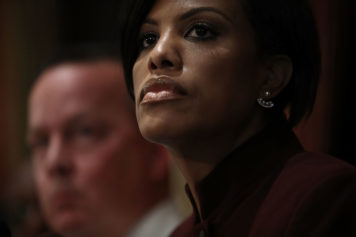
Attorney General Loretta Lynch (left) and Baltimore Mayor Stephanie Rawlings-Blake (right)
The report found that officers were unusually eager to fire their weapons even in situations where there was no imminent threat to their own safety, underscoring the anger of the communities who were outraged to see Loehmann shoot Rice only seconds after arriving on the scene.
Loehmann’s own troubling police record of failing essential tests and several reports noting his lack of composure under pressure brought issues of police recruitment to the national stage as well.
The criminal investigation of the six officers involved in Gray’s arrest and transport is also still underway with questions now surfacing about what kind of knife the young man had in his pocket.
Officers hope to use the discrepancy over the weapon to get false imprisonment charges dropped, although what kind of knife he had has no direct effect on the more serious charges some of the officers are facing, like “depraved heart” murder.
Reports alleged that the officers ignored Gray’s pleas for medical assistance even as he lay unresponsive on the floor in the back of the transport unit.