 Once you have an abundance of wealth, have been accepted by mainstream media and are considered a favorite among America’s elite, racism’s very existence is questionable and minimal.
At least that’s what “Black celebs be like,” according to Twitter.
For the past few days Twitter users have been targeting Black celebrities who suddenly started questioning or downplaying racism’s existence and impact once they achieved a certain level of celebrity and wealth.
While unarmed Black men are getting gunned down in the streets by police officers, predominantly Black schools are being forced to permanently close their doors, homeownership and unemployment gaps continue to widen and the voting protections presented by the Voting Rights Act are at risk of being obliterated by today’s politicians, Black celebrities are urging the Black community to just calm down and stop freaking out.
After all, racism is a figment of our wild imaginations and the few remnants of racism that exist can be hugged away in a love-filled “Kumbaya” moment of “color blind” millennials who totally solved racism by ignoring race all together. That’s, yet again, what #BlackCelebsBeLike.
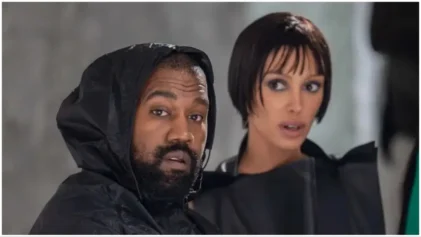
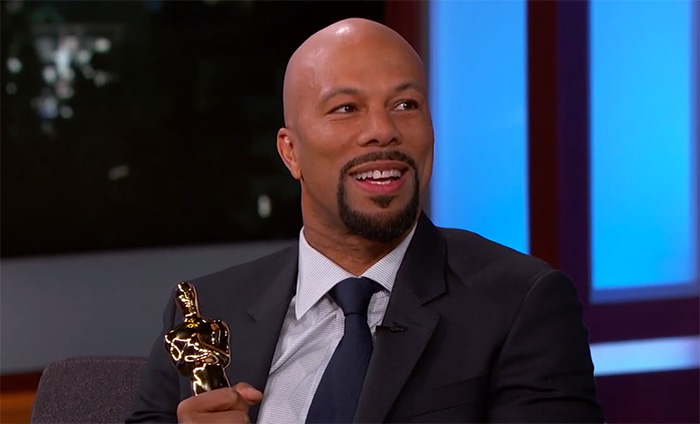
The viral hashtag came after rapper Common insisted that the Black community just needed to “extend a hand in love” to white people in order to solve racism. This comment came shortly after Raven-Symone insisted that calling the First Lady of the United States a monkey isn’t racist and after, around the same time, Kanye West declared racism in America is an “outdated” issue.
“Comparing the First Lady to an ape isn’t racist. But then again what is race? I’m an American. #BlackCelebsBeLike,” one user tweeted along with a photo of the former Cosby Show starlet.
Images of Common were popular with one caption reading, “#BlackCelebsBeLike I won an Oscar so racism no longer exists. It is time to love our enemies who feed and cloth us.”
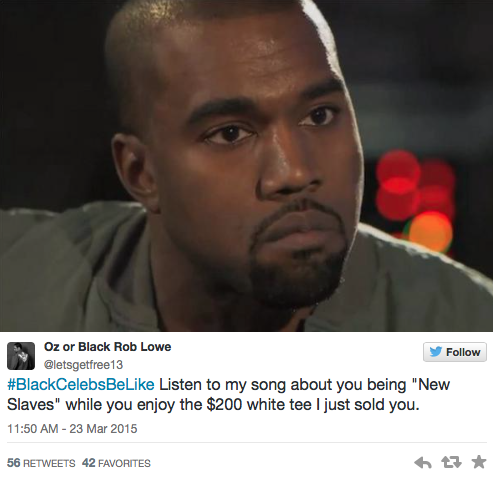
One of Kanye’s images was branded with the message, “#BlackCelebsBeLike Listen to my song about you being ‘New Slaves’ while you enjoy the $200 white tee I just sold you.”
 Ebony’s Jamilah Lemieux, never one to miss out on a fun Black Twitter hashtag, added a gem of her own.
“#BlackCelebsBeLike ‘How can I complain about racism in Hollywood when we have a Black president,’ “ Lemieux tweeted.
The entire wave of tweets took aim at the fact that many Black celebrities seem to shun ideas of racism and discrimination once they become too wealthy to concern themselves with the problems facing middle-class America.
Of course, racism knows no limitations—not even in terms of fame and money.
When the discrimination that these celebrities have adamantly denied for so long suddenly rears its ugly head in their lives again, they will surely seek support from the Black community. That is, the very same community they once waved off as an overly sensitive group of people that just complains too much about problems that aren’t really there anymore.