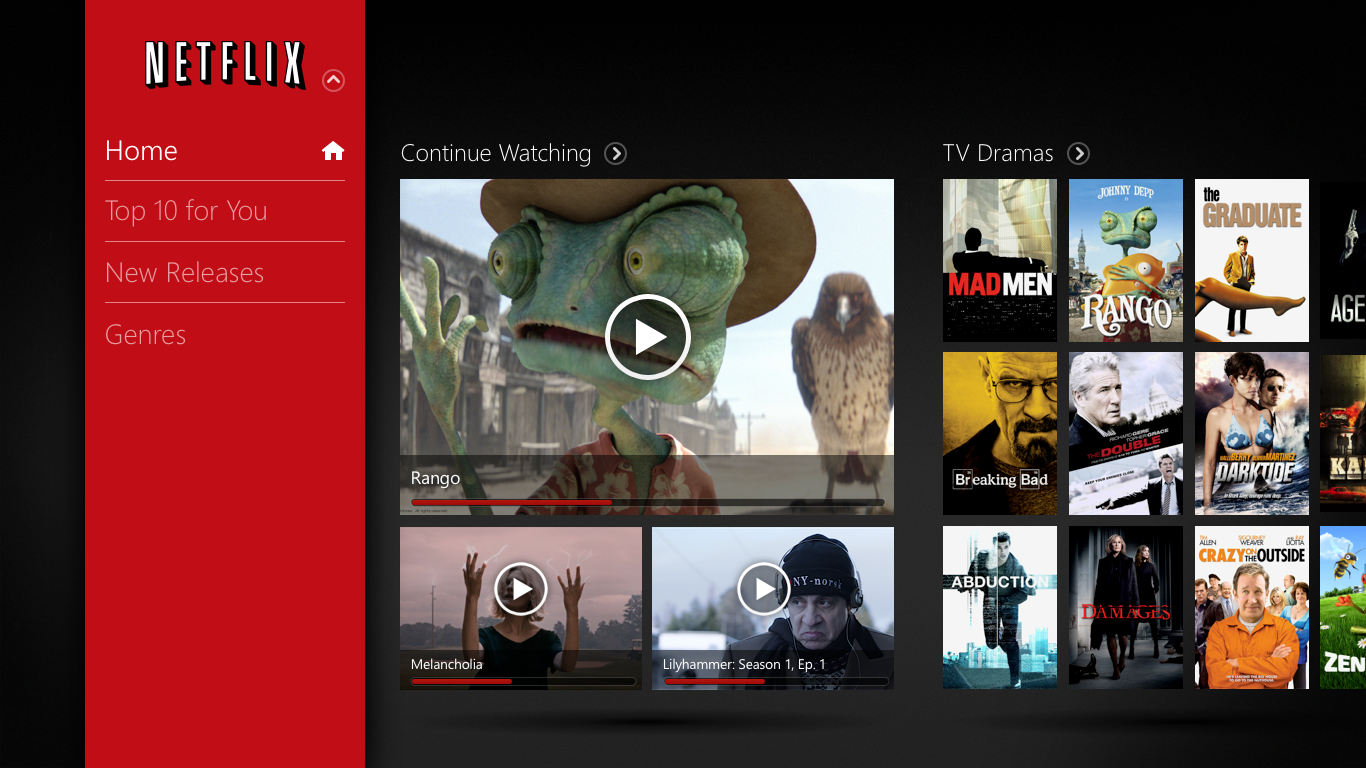
 Netflix Inc, the world’s largest subscription streaming service, surged to a record after projecting customer growth that topped analysts’ estimates and saying it may charge new users more to share accounts.
The shares rose 16 percent to $385.62 at 11:25 a.m. in New York after reaching a record $395.63 in intraday trading. The stock had the biggest gain in the Standard & Poor’s 500 Index last year.
Chief Executive Officer Reed Hastings is testing new pricing strategies that would increase revenue and profit, and investing in growth to keep the company ahead of competitors HBO, Amazon.com Inc. and Hulu LLC. A price increase in Ireland suggests Netflix can follow suit at home without triggering a customer revolt like the one that cost it subscribers in 2011.
With Netflix’s U.S. subscriber base topping that of Time Warner Inc.’s HBO, investors are trying to gauge how big the company can be. Total online subscribers grew to 44.4 million worldwide in the fourth quarter, including 41.4 million paid.
The company forecasts first-quarter domestic streaming revenue of $796 million, with an operating profit of $198 million. It predicts international streaming will generate a loss of $42 million on revenue of $267 million.
Fourth-quarter net income soared more than fivefold to $48.4 million, or 79 cents a share, Los Gatos, California-based Netflix said on its website, beating the 66-cent average of 31 analysts’ estimates compiled by Bloomberg. Domestic subscribers, including free trials, rose to 33.4 million, compared with the 33.1 million average of 10 estimates compiled by Bloomberg. International losses shrank.