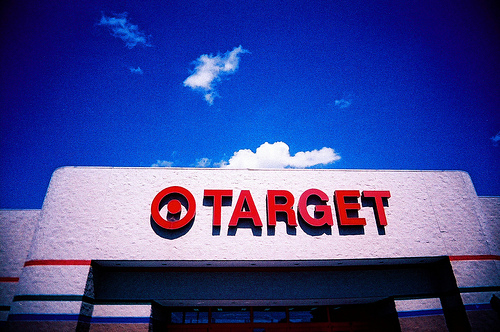
Fallout from Target’s pre-Christmas security breach is likely to affect the company’s sales and profits well into the new year.
The company disclosed on Friday that the massive data theft was significantly more extensive and affected millions more shoppers than the company reported in December. As a result of the breach, millions of Target customers have become vulnerable to identity theft, experts say.
The nation’s second largest discounter said hackers stole personal information — including names, phone numbers as well as email and mailing addresses — from as many as 70 million customers as part of a data breach it discovered last month.
Target announced on Dec. 19 that some 40 million credit and debit card accounts had been affected by a data breach that happened between Nov. 27 and Dec. 15 — just as the holiday shopping season was getting into gear. As part of that announcement, the company said customers’ names, credit and debit card numbers, card expiration dates, debit-card PINs and the embedded code on the magnetic strip on the back of cards had been stolen.
According to new information gleaned from its investigation with the Secret Service and the Department of Justice, Target said Friday that criminals also took non-credit card related data for some 70 million shoppers who could have made purchases at Target stores outside the late Nov. to mid-Dec. timeframe.
The latest developments come as Target said that just this week it was starting to see sales recover from the crisis. The company, however, cut its earnings outlook for the quarter that covers the crucial holiday season and warned that sales would be down for the crucial period.