The idea that enslaved Blacks were docile and submissive “Sambos,” who accepted and enjoyed the benefits of paternalistic master-slave relationships on plantations, was debunked in the Atlanta Black Star article “15 Black Uprisings Against European and Arab Oppression They Won’t Teach in Schools.”
That spirit, which refused to be broken, can still be seen in the descendants of those Africans who persistently resisted bowing to degradation and humiliation by their oppressors. It is clearly demonstrated by a number of Black celebrities who, in the face of losing status and wealth, refused to compromise their integrity by accepting the status quo dictated by the masters of power and influence.
Here’s a list of 10 of those celebrities who, based on their principled behavior, we believe would have stood up against the mistreatment of Black people during slavery.
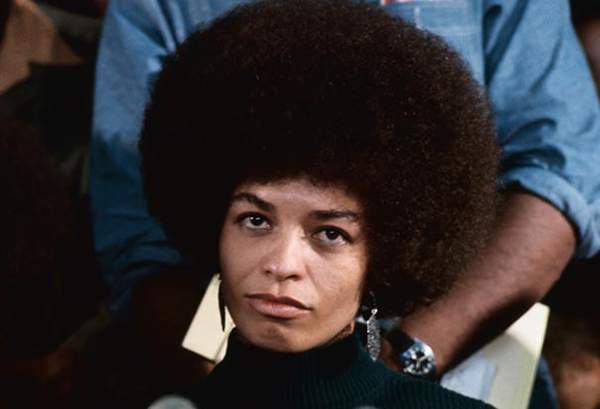
Angela Davis has dedicated her life to the Black struggle. After the prominent activist and radical thinker of the 1960s was charged with aggravated kidnapping and first degree murder in the death of Marin County Judge Harold Haley, she fled California, becoming the third woman to appear on the FBI’s Ten Most Wanted Fugitive List. When she was later captured and brought to trial, she was acquitted by an all-white jury.
Source: http://en.wikipedia.org
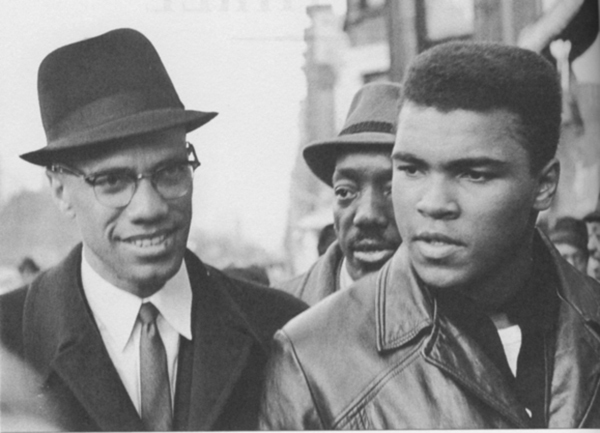
In 1967 when Muhammad Ali refused to fight in the Vietnam War, he was stripped of his heavyweight boxing titles by The New York State Athletic Commission and the World Boxing Association and faced imprisonment. This is what the boxing champ had to say then:
“I ain’t draft dodging. I ain’t burning no flag. I ain’t running to Canada. I’m staying right here. You want to send me to jail? Fine, you go right ahead. I’ve been in jail for 400 years. I could be there for four or five more, but I ain’t going no 10,000 miles to help murder and kill other poor people. If I want to die, I’ll die right here, right now, fightin’ you, if I want to die. You my enemy, not no Chinese, no Vietcong, no Japanese. You my opposer when I want freedom. You my opposer when I want justice. You my opposer when I want equality. Want me to go somewhere and fight for you? You won’t even stand up for me right here in America, for my rights and my religious beliefs. You won’t even stand up for my rights here at home.”
Source: http://newsone.com


