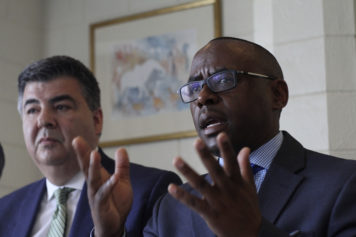
According to the New York Times, Kenya’s Parliament took the first step toward withdrawing the country from the ICC, less than a week before its deputy president goes on trial in The Hague.
The National Assembly passed a motion urging Kenya to become the first of the 122 nations adhering to the court to leave it. The vote was just the latest example of the growing discontent here toward the ICC, which plans to place Kenya’s new president, Uhuru Kenyatta, on trial as well, the Times reported.
If the Kenyan government formally withdraws, the cases against Kenyatta and Deputy President William Ruto, who have been charged with crimes against humanity stemming from violence after the 2007 presidential election, would continue.
But experts question whether such a move might embolden the indicted leaders — who are not in custody and have agreed to participate thus far, avoiding the need for arrest warrants — to begin defying the court, the report said.
ICC responds to Kenya’s action
ICC spokesman Fadi El Abdallah told the BBC’s Newsday program, Kenya’s withdrawal would have no bearing on the cases against the two men.
“A withdrawal has an effect only for the future and never for the past,” he said.
If Kenyatta and Ruto fail to cooperate, ICC judges “may decide to issue arrest warrants against these accused,” Abdallah added.
BBC reports that Amnesty International said the parliamentary motion was the latest in a series of “disturbing initiatives to undermine the work of the ICC in Kenya and across the continent.”
“Amnesty International calls on each and every parliamentarian to stand against impunity and reject this proposal,” said Netsanet Belay, the group’s Africa program director, in a statement.