The Walt Disney Company has been granted trademark rights to use the Swahili phrase “Hakuna Matata,” and Kenyans are none too pleased about it.
The American animation brand secured the rights to the phrase used in the 1994 Disney film “The Lion King.” In the week following the Thanksgiving Day release of a trailer for next year’s “Lion King” remake, several Kenyan new outlets began featuring articles on the fact that the United States Patent and Trademark Office granted the company the rights to use the term on clothing under the registration number 27006605. The trademark protection means that the phrase, which means “no problem” or “no worries,” cannot be employed for commercial use by any other entity without previously being approved by Disney. Otherwise, a lawsuit could be underway.
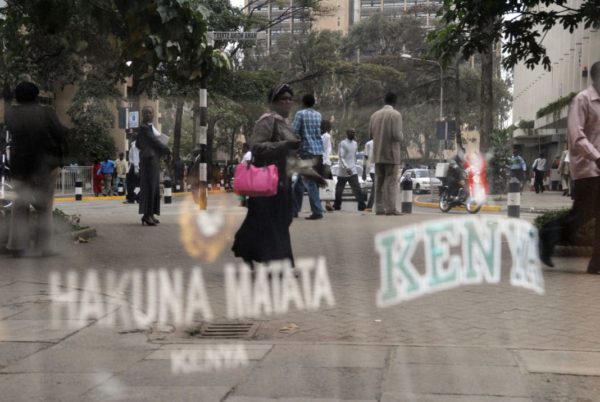
(WALTER ASTRADA/AFP/Getty Images)
Despite millennials becoming familiar with “hakuna matata,” through the animated film, the phrase was actually popularized in 1982 through the song “Jambo Bwana” from the Kenyan band Them Mushrooms.
As for why Disney got a trademark for the term, Kenya intellectual property attorney Liz Lenjo told Word Is that the moove was for protection in creative works.
“The essence of trademarks is to protect where creativity is applied on language, symbols, colours, numbers to brand a product or good or service,” she said.
Lenjo noted that since “hakuna matata” is used in most Swahili-speaking countries it is “highly unlikely [Disney] registered in any East African countries because it’s a common phrase here, and they would not get exclusivity because of that.”
She added that Kenyan creatives would likely still be able to use the phrase on shirts and in videos without infringing on Disney’s trademark right.
“It will most likely not infringe but it will depend on the context of the use of the phrase and territory,” Lenjo said.
The studio’s trademark of the greeting is not new, however. Disney has owned it since 1994 and renews it every 10 years as per American trademark policy. Still, social media users have been fired up upon learning about the news.
“Hey, Kenya – tell @Disney where to stick their ‘trademark’! 😠”
“I have several hakuna matata t-shirts bought in Kenya and Tanzania. Thanks Disney but kindly piss off! My family and wife are Kenyan/Ugandan and Tanzanian – Do one Mickey!”
“Ndio Disney to trademark hakuna matata how deep asleep was @brandkenya to have our signature greeting heritage get stolen from us kimala mala tu hivyo? I now believe Kenya was sold eons ago. Such a shame! #Disney #hakunamatata.”