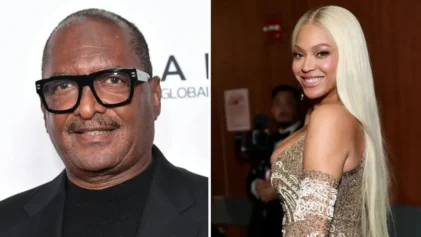
It’s easy to be cynical about the motivations of celebrities these days—particularly when the gossip media paints most of them as despicable human beings—but Beyonce is so darn sincere about everything she does that eventually you have to conclude that she really does care about helping people.
That’s the message that came across in her interview with Anderson Cooper on his CNN show, “Anderson Cooper 360” that airs tonight at 8 pm and 10 pm.
Beyonce goes into detail about the video for “I Was Here” that she created for World Humanitarian Day on August 19. Cooper asked Beyonce the meaning of the words in the song, which was written by the legendary Diane Warren.
“It says, ‘I want to leave my footprints in the sands of time’ and it basically is all of our dreams, I think. And that’s leaving our mark on the world. I feel like we all want to know that our life meant something,” the 30-year-old singer said about the song.
“We all have our purpose, and we all have our strengths…it feels so wonderful to do something for someone else. And I think for the U.N. to want to include the whole world was something important, and I feel like that’s what I represent,” Beyonce told Cooper.
Beyonce filmed the video recently at the U.N. Wrapped in a white sequined gown, the singer delivered a commanding live performance to the musical track as pictures of U.N. aide workers assisting in wars, famines and floods around the world appeared on a massive screen behind her.
World Humanitarian Day was created by the U.N. in 2008 to raise public awareness of the need for humanitarian assistance around the world. It is celebrated each year on August 19, the day in 2003 when 22 people lost their lives in an attack on the U.N. offices in Baghdad.
The campaign encourages people to visit the campaign website, www.whd-iwashere.org, and find out ways to be involved on August 19 and beyond.