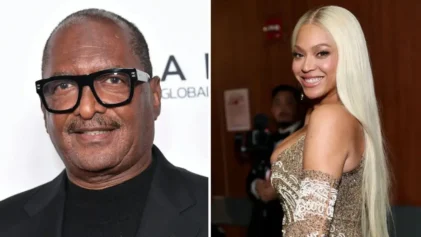
Beyonce is a top selling musician in part because she takes full control of her product from start to finish. That means there no “accidentally” leaked songs in hopes of creating a buzz.
UK singer Conor Maynard when chatting to BBC Newsbeat confirmed just how far Beyonce goes to remain in control.
“I’ve heard some mad stories. With Beyonce, I heard that with her people they’ll make sure that there’s no-one in the studio. They go into the studio, wipe it, set up one new session for her to record. Once she’s finished recording they move it onto a hard drive. They wipe the studio computer again and then leave.”
Knowinlgly or uknowingly, Conor put rapper Drake on blast adding that he leaks his own music.
“There are some artists like Drake who leaks his own stuff to start a hype, a buzz. He’ll leak tracks that aren’t going to be used on the album. So people pay for it because they haven’t heard it yet.”
Different methods apppear to work for different artist. Meanwhile the “Single Ladies” star made a brief appearance – in spirit – in her husband Jay-Z’s commercial for Duracell. Towards the end of the 1 minute commercial: a day in the life of a young man in New York City who never loses below 90% life of his phone battery is featured. In the evening he ends up at Jay-Z’s 40/40 club and places his phone down next to an identical phone and soon begins to ring and it’s ‘B’ calling. Cute. Watch it below.
Beyonce’s husband is keeping busy with another commercial, this time with Budweiser to celebrate the upcoming Budweiser Made in America Festival which Jay-Z is curating. The festival will take place labor weekend.
Beyonce and Jay-Z are doing it!