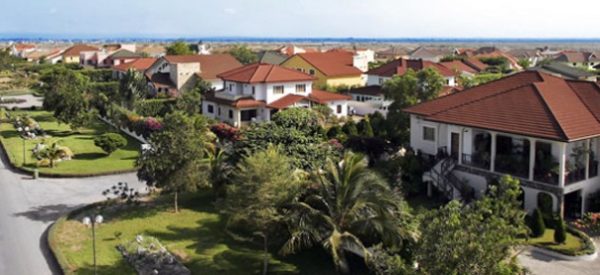
ACCRA, GHANA
Ghana is Africa’s fastest growing economy and has developed a remarkable degree of stability. The West African nation’s growth rate exceed 10 percent in 2012, and it’s projected to remain relatively high for the next few years. The government of Ghana has been demonstrating a commitment to investing proceeds into the country’s social and physical infrastructure, increasing the overall livability in the nation.
Ghana’s capital city, Accra, is a sophisticated urban area, with a full range of restaurants, bars, nightclubs, and increasingly, shopping malls. There are many affluent areas, including East Legon—the location of the city’s only traditional shopping complex, Accra Mall.
Another popular option is Osu, locally referred to as “Oxford Street,” where many go to shop and hang out. The downtown area has seen much development over the last decade and the range of serviced high-rise apartments makes it an easy location to set up home quickly.
In addition to being a wonderful urban home for roughly 20 percent of Ghana’s 20 million total population, Accra has become the leisure destination of choice for affluent Nigerians, who take a quick 45-minute flight to spend time at their Accra weekend homes. The warmth of the Ghanaian people is an asset and is an important part of what draws visitors to return to spend leisure time here. The tropical climate is also a plus.

NAIROBI, KENYA
Kenya is well positioned for economic growth because of its geographic location, its innovative-aggressive population, and relatively good infrastructure and facilities.
Nairobi is fast becoming the African city of choice for multinational companies seeking a foothold for their African operations. The city possesses much of the sophistication of the large South African cities, but provides these offerings in a “kinder and gentler” way. While there are some tensions around election time, the government is generally considered stable.
Housing options include many comfortable suburban-style homes at affordable prices relative to other African cities, often with a reasonably sized land plots. Apartment compounds have also sprung up in recent years, many with the comforts of swimming pools and fitness centers. The technology industry offers much promise, and Internet connectivity is considered to be the best on the continent today.