A Delaware jury awarded $1.3 million last month to a Black road crew worker who said he faced racial slurs and other harassment from white co-workers while working on a highway project for a large state contractor.
In 2023, Dover resident Kaligah Parker, 22, was working to turn his life around after a felony drug conviction.
He had found work through a Delaware Department of Transportation (DelDOT) program aimed at providing on-the-job training for minorities and disadvantaged persons, according to his lawsuit filed in Newcastle County Superior Court.
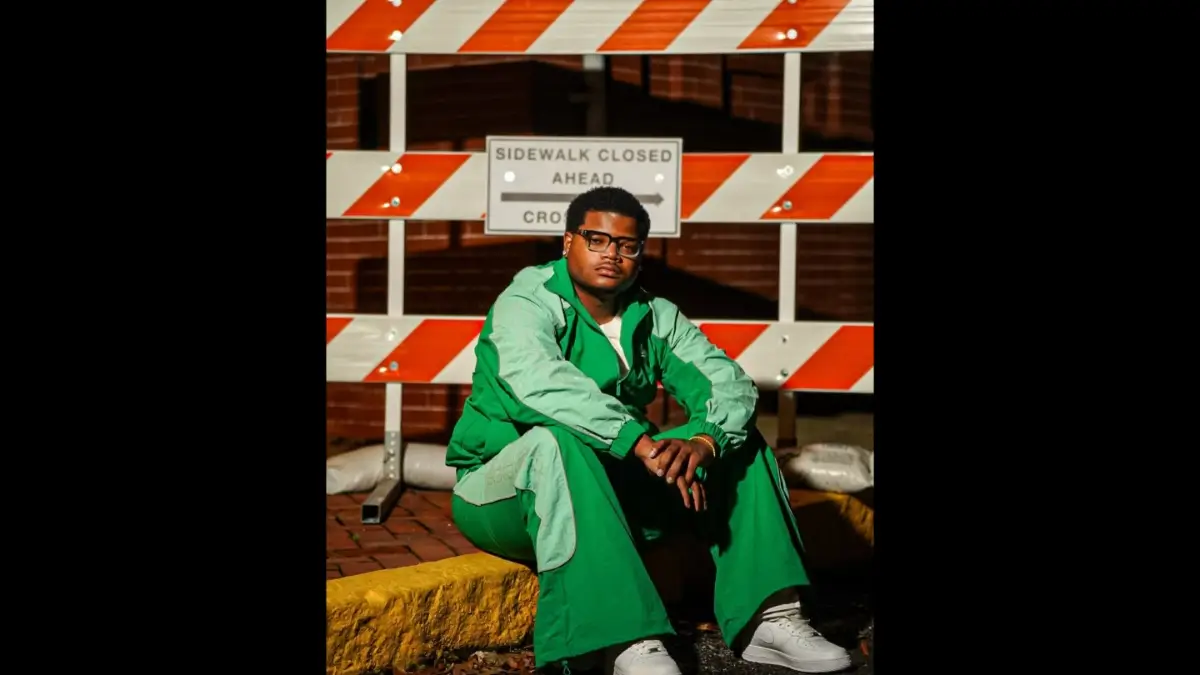
He joined Greggo & Ferrara through the program in May 2022. The general contractor has received more than $215 million in state highway contracts since 2017.
After 18 months on the job, Parker was earning $45 an hour and working as a roller operator laborer, which involves driving a large, heavy roller machine to compact, flatten, and smooth materials like soil, gravel, or asphalt.
The lawsuit said Greggo & Ferrara, as federal funding recipients, needed minorities on the payroll in order to qualify for and obtain contract work for DelDOT highway projects.
Parker was one of only five Black workers among the company’s 150 employees and the only Black person on his crew who worked on the highway construction project along Route 72 in Bear from December 2022 to November 2023, the lawsuit said.
The other Greggo & Ferrara workers in that crew were older white men who treated him with racial hostility and “frequently antagonized Mr. Parker,” in an effort “to make his life miserable so that he would quit,” the complaint said.
Parker said his white co-workers repeatedly called him the N-word and, on at least two occasions, “boy.”
Another man told Parker to do something, then looked at Parker and acted like he was cracking a whip, telling him to “make it quick.”
Parker alleged that when he used the porta-potty at the work site along the state highway, some guys in his crew threw rocks at it. He also said co-workers sprinkled dirt into his buttocks when his pants slid down as he bent over.
When Parker complained to a supervisor, management told him it would handle the situation, but the lawsuit says nothing changed.
One time, when Parker asked for help moving a heavy bag, the lawsuit says one of his site leaders told him, “I ain’t helping you with [expletive].” Later that day, the same supervisor made Parker pick up pieces of gum wrappers in a yard while letting white workers leave a few minutes early.
Parker’s inclusion on the road crew rankled some veteran employees, his attorney Thomas Crumplar told WHYY, including two white laborers who had worked there for several years but hadn’t had a chance to operate the machinery Parker was training to use.
“These older white men were jealous of the fact that this younger Black [man] who just started with the company had already been in a position to work as an operator where he could make significantly more money,” Crumplar said.
The DelDOT program required Parker to spend about 1,000 hours on the roller machine, but his supervisor allowed him to operate it for only about 30 minutes a day while recording eight hours on the machine on his timesheet, the lawsuit said.
The complaint said the racial harassment intensified in July 2023 after Parker “had a breakdown while at home over a weekend due to the stress caused by his co-workers at work.”
Parker began using medical marijuana to manage the stress. Soon after, his supervisor selected him for a random drug test. He tested positive and lost his job, but the company later rehired him after he provided his Delaware medical marijuana card as part of a union grievance, the lawsuit said.
The white men on Parker’s crew badmouthed him to other company employees so often that a foreman on another crew told Parker about it, saying they “were trying to get rid of him,” the lawsuit said.
Parked also claimed that one company leader, Cross Ferrara, ignored his own best friend’s repeated lateness for work but wrote disciplinary reports against Parker for being late.
In November 2023, Parker complained about racial harassment and disparate treatment to his supervisor, who was white. The supervisor asked Parker why he missed several workdays, and Parker told him the harassment had become too much to handle.
The supervisor then told Parker, “He would have to have a thick skin to work in construction, to not let his co-workers bother him, and that respect had to be earned,” the lawsuit said.
Later that month, Parker said his supervisor ordered him to restack wood in his truck, but Parker told his boss he “needed to leave for the day to cool off.” The supervisor allegedly told him that would be OK.
That Friday, when Parker picked up his check, the foreman acknowledged that the company had treated him unfairly and told him to return to work the following Monday. But when Parker arrived at the job site, management told him he had “voluntarily quit” and no longer had a job, the lawsuit said.
In his lawsuit, filed in January 2025, and during several hours of testimony over the five-day trial in September, Parker contended that he had endured hostile and degrading treatment from co-workers and supervisors that company management knew about and failed to address, in violation of state law against racial discrimination.
Greggo & Ferrara denied the allegations in court papers and during the trial, Crumplar said, referring to Parker’s accusations as fabrications.
After three hours of deliberations, on Sept. 14, a Superior Court jury sided with Parker, finding Greggo & Ferraro liable for racial discrimination and for subjecting Parker to a hostile work environment.
The jurors awarded Parker $1.28 million in damages — $275,000 in compensatory damages and $1 million in punitive damages, which his attorneys claim is one of the largest awards for a racial bias case in Delaware state court.
Crumplar told WHYY that a pivotal moment in the trial came when the company’s lawyer, Jeffrey Weiner, told the jury that the company considered Parker, whom it hired through the state transportation program, “our prized possession.”
“In rebuttal, we seized on that,” Crumplar said.
He said the trial outcome and large jury award came down to “credibility. They believed us and didn’t believe them.”
After the verdict was announced, his co-counsel, Patrick C. Gallagher, said, “I am happy that Mr. Parker was heard and finally believed by a jury of his peers. Justice was done.”
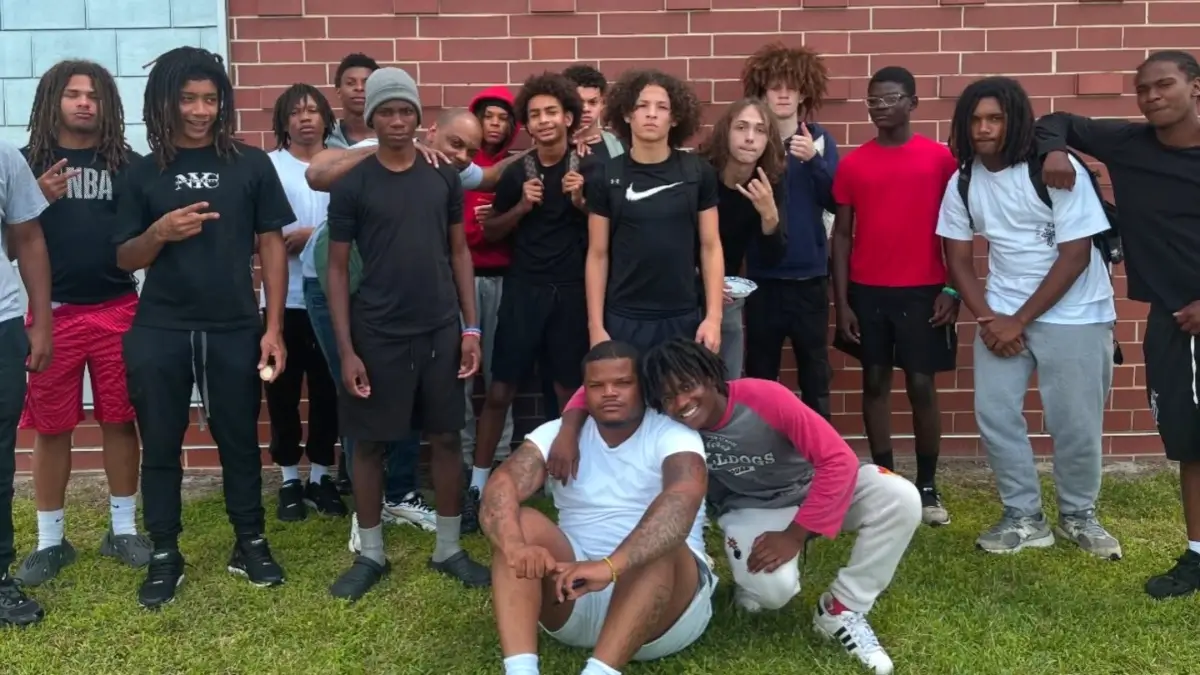
Parker, whom Delaware Gov. Matt Meyer pardoned for his drug crime in June, now runs The Carry The Light Project, a nonprofit that helps youth through violence prevention and mentoring programs.
Greggo & Ferrara plans to appeal the verdict. The company and its attorney did not immediately respond to requests for comment from Atlanta Black Star.
Delaware Department of Transportation spokesman C.R. McLeod told WHYY after the trial ended that the agency “does not condone discrimination of any kind.”


