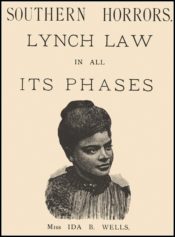
Ida B. Wells-Barnett (July 16, 1862 – March 25, 1931)
Journalist and civil rights activist Wells-Barnett used her platform to combat the unjust practice of lynching in the nation and to fight for Black women’s right to vote. In 1892, two of her male colleagues were lynched by a white mob in Memphis, TN and this event propelled her into the anti-lynching fight wholeheartedly. She marched in several national suffrage parades, lectured, and founded one of the first Black woman suffrage organizations – the Alpha Suffrage Club of Chicago in 1913. According to the University of Northern Illinois archive, she fought against the National American Woman Suffrage Association (NAWSA) which aimed at getting white women the right to vote but did not want to allow Black women into their organization. However, in Chicago, Wells-Barnett found common ground among white women who were eager to utilize her speaking ability for recruitment and canvassing.
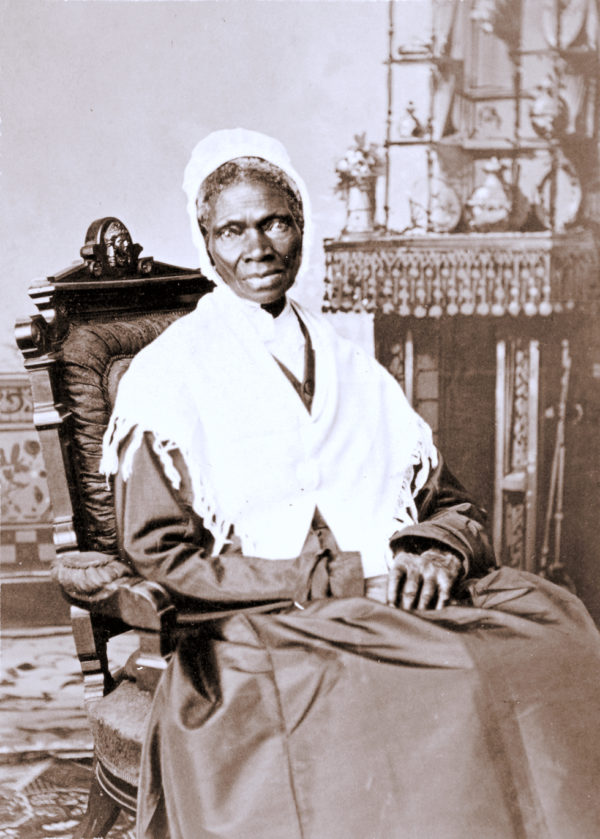
Sojourner Truth (c. 1797 – Nov. 26, 1883)
The abolitionist, preacher, and fighter for Black women’s rights was born into slavery in New York state. In 1826, Truth, who was born Isabella Baumfree, escaped slavery with her infant daughter, leaving behind her two other children. Throughout her life, she managed to free her children by winning court cases. In 1850, she wrote a memoir, The Narrative of Sojourner Truth: A Northern Slave. In May of 1851, Truth gave her most famous speech at the Ohio Women’s Rights Convention in Akron, “Ain’t I a Woman?”.