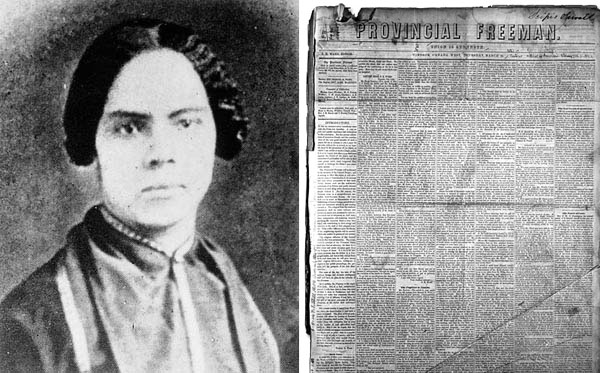
Mary Ann Shadd Cary (Oct. 9, 1823-June 5, 1893)
Shadd Cary was the first woman to be a newspaper editor on the North American continent and the first woman to graduate from Howard University’s Law school in 1883. She was a lawyer, civil rights activist and the founder of the Provincial Freeman in Canada. While in Canada, she worked for the welfare of Black refugees escaping the dangers of American slavery. Shadd Cary also began to utilize her legal training to get Black women the right to vote by creating arguments that would coincide with the 14th Amendment. She returned to the U.S during the Civil War and eventually became a recruiter for the Union. While she was back in the states, she also created the first Black suffrage organization, Colored Women’s Progressive Franchise Association in D.C in 1880.
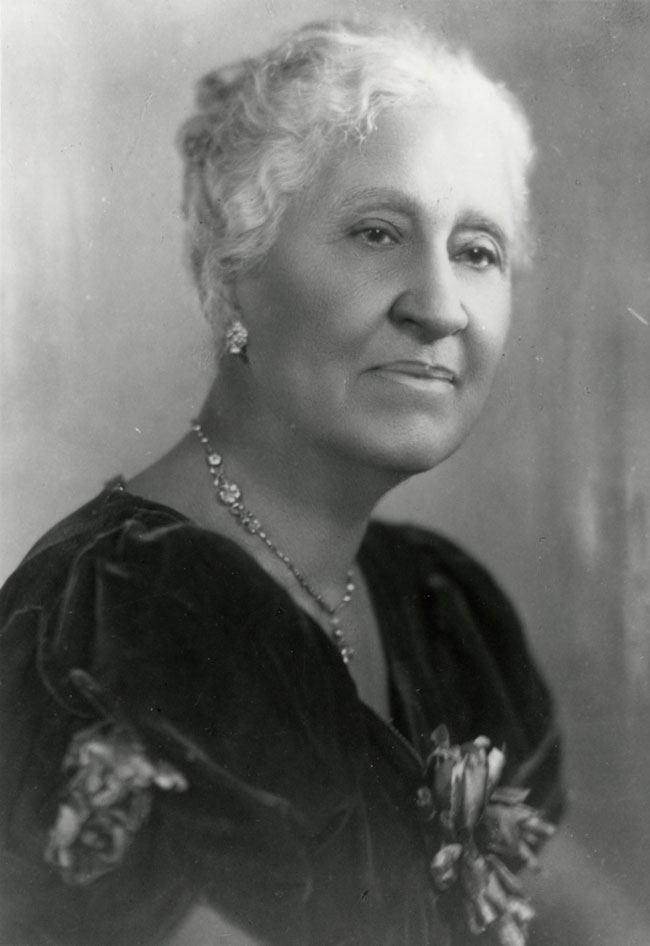
Mary Eliza Church Terrell (Sept. 23, 1863 – July 24, 1954)
As a charter member of the NAACP, Church Terrell was at the forefront of the social and economic progression of Black people. She valued education and believed that it would elevate Black people as a race. During the early days of the NAACP, Church Terrell led the charge in voicing the need of Black women’s suffrage. Her zealousness even caught the attention of President Woodrow Wilson. She picketed the Wilson White House with members of the National Woman’s Party in her zeal for woman suffrage, according to National Women’s History Museum. In addition to her fight for women’s rights, she fought against police brutality, segregation and went on to be the first Black woman to serve on a school board.