Mark Moore did everything the money experts preach. He saved, did his homework, and booked a one-way flight from Atlanta to Cleveland to buy his dream car.
For more than two years after he drove it home, the Atlanta pastor kept it registered, kept it serviced, and never missed a single payment.
Plenty of Black car buyers walk onto a lot already bracing to get overcharged at the dealership, but Moore says what happened to him was something else entirely.
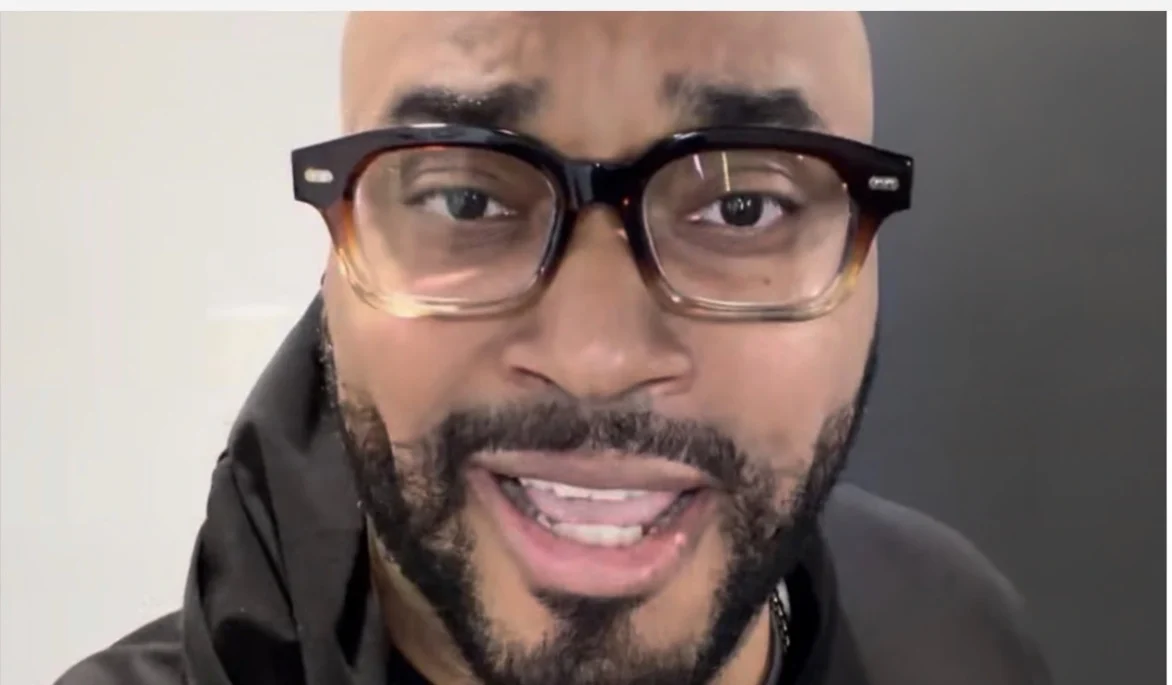
One morning this spring, his Mercedes-Benz was simply gone. Six months later, he’s still paying for a car he no longer has, the dealership insists it got burned too, and when Moore finally took his fight public, a member of the dealership’s management team showed up in his livestream comments.
It wasn’t to apologize.
Moore, the founder of Atlanta’s Young Leaders Conference, bought the used Mercedes from Central Cadillac on Carnegie Avenue in January 2024, according to WKYC 3News. In a lengthy Facebook post, he said he put $30,000 down by cashier’s check and financed the remaining $58,931.87 through the dealership’s recommended lender, bringing the deal to $88,931.87.
On March 31, 2026, the car vanished from his driveway. Moore assumed it had been stolen and called police, only to learn Mercedes-Benz Financial Services had repossessed it. The reason, he wrote, was that the car was still in the previous owner’s name, with $106,000 still owed on it.
“I had done nothing wrong. I had cut no corners. I had missed no payments,” Moore wrote.
The alleged scheme was described as a form of title washing, where fraudsters take advantage of loose titling rules in certain states to get a title that looks clean, sell the car, and skip out on the loan. When the paper trail finally catches up, the last buyer is usually the one left empty-handed.
Central Cadillac tells it differently. General manager Christopher Studor told WKYC the dealership bought the car from another dealer in Bedford, Ohio, with a title that appeared “free and clear,” and only later learned it was tied to a larger theft ring under federal investigation. He said an insurance claim has been filed.
“So we sympathize, you know, wholeheartedly with Mr. Moore,” Studor said. The dealership said it plans to reimburse Moore once its insurer pays out. Moore’s position is that he shouldn’t be the one waiting.
After six months of attorneys going back and forth, Moore said he was told, in so many words, that the dealership wouldn’t make it right because “they are victims too.” So he went live to tell his story.
That’s when a name he didn’t expect popped up in front of the people who were watching his livestream: Jesse Huber, Central Cadillac’s general sales manager.
“What kinda of pastor promotes vengeance and retaliation??? Real Jesus like,” Huber wrote, according to screenshots Moore later shared on Facebook.
In another comment, Huber explained that the car came from a dealership where the person who traded it in had committed fraud, that Central received a clean title, and that “there was nothing malicious done here.”
Moore called the comments dismissive. “I am a victim, but I am NOT a martyr,” he wrote, insisting the push is “in no way a money grab.” He isn’t asking for punitive damages, just his money back and the loan cleared. “They kept my money. I lost the car,” he wrote.
Supporters didn’t take the jab lightly. “OH THEY THOUGHT YOU WERE REGULAR?!” one woman wrote.
Another commenter flipped the faith question right back, writing, “Justice feels like retaliation when you can’t see your own wrong.”
Others focused on who should be holding the bag. “You kind of expect that a purchase made at a dealership with a finance company would have done their due diligence,” one man wrote. “This wasn’t a FB Marketplace purchase or Craigslist ad.”
A fourth commenter pointed out that the check “was issued to this dealership,” while another urged Moore to “Reach out to the Ohio Attorney Generals office!”
Moore has asked supporters to leave Google reviews about his experience, but to stick to the facts, with no threats, personal attacks, or made-up stories. He also told WKYC the dealership has “90,000 reasons to be more comfortable about the situation than I do.”
Moore’s story joins a long list of dealership nightmares. In 2024, a Florida car salesman was convicted of carjacking a Black customer at gunpoint over a payment mixup that had already been fixed. In September, a Black Kansas man learned he’d been driving around with a racial slur on a service sticker a dealership put in his truck window.
For now, Moore is still paying for a Mercedes he can’t drive, and there’s no public word that Central Cadillac has cut him a check.


