Five Black siblings who endured years of abuse and forced labor while living with their wealthy adoptive parents have reached a $4.4 million settlement with West Virginia after allegations that the state failed to intervene despite warnings about their treatment.
Kanawha County Circuit Judge Maryclaire Akers approved the settlement last week, according to West Virginia Watch. The state will divide the maximum available award among the five children, who were between 6 and 16 years old when they lived with Jeanne Kay Whitefeather and Donald Lantz.
Whitefeather and Lantz received a combined 375-year prison sentence after prosecutors said they forced the children to work as farmhands on their Sissonville property and abused them. The children’s lawsuit accused West Virginia’s Department of Human Services of failing to protect them from the abuse.
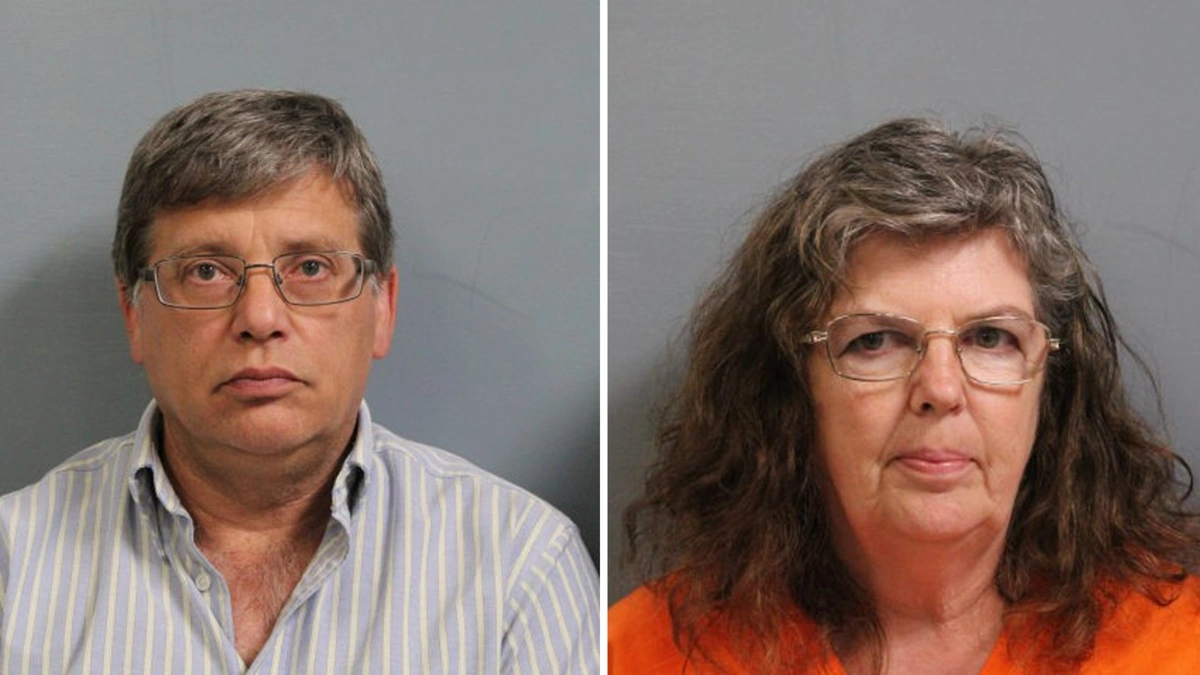
According to West Virginia Watch, Attorney Dante DiTrapano, who represented the siblings, said the settlement gives them an opportunity to reclaim parts of their childhood that they lost.
“The settlement means that these kids will have an opportunity to be children,” DiTrapano said.
He added that the children were “robbed of their innocence and robbed of their youth by the monsters that were their former parents.”
Some of the siblings continue to experience post-traumatic stress disorder linked to what they endured, according to the report.
The lawsuit also raised questions about how Child Protective Services handled warnings about the family. State records reportedly contained notes about the children living in slave-like conditions, but the Department of Human Services could not produce documentation showing that CPS made meaningful contact with them.
DiTrapano said neighbors repeatedly contacted authorities, but he believes the reports did not receive the response they warranted.
“There were a ton of calls that came in from neighbors, and I think only one visit out there. There should have been many more,” he said.
During Whitefeather and Lantz’s criminal trial, evidence showed that CPS left a card at the family’s home. The agency later interviewed the children, but the meeting occurred within earshot of their adoptive parents, according to DiTrapano. State officials said they later fired at least one Department of Human Services employee involved in the case.
A neighbor alerted authorities after allegedly seeing two teenagers confined in a shed, bringing the children’s ordeal to light. Police found a 14-year-old boy and a 16-year-old girl inside the structure. It had a small RV-style toilet but lacked electricity and running water.
One of the teenagers told police the couple had locked them inside the barn for about 12 hours since their last meal. The siblings wore dirty clothes and told authorities they had slept directly on the concrete floor without mattresses.
DiTrapano said the case exposed broader problems within the state’s child welfare system. He pointed to staffing problems, flawed child interviews and poor documentation practices within the child welfare system.
After authorities removed the children from Whitefeather and Lantz’s home, they went to new families. Two of their new adoptive mothers later appeared in court and discussed their lives after leaving the abusive household.
The case may also lead to additional legal action. DiTrapano said he plans to pursue claims against Washington state’s Department of Human Services because the agency approved the family’s move to West Virginia despite earlier reports of child abuse there.
Donald Lantz and Jeanne Whitefeather received the maximum prison sentences in March after a jury convicted them of child neglect, human trafficking, and other charges tied to their treatment of their five adopted Black children. A judge sentenced Lantz to 160 years and Whitefeather to 215 years, with each ordered to pay $280,000 in restitution.
The couple had kept the siblings in squalid conditions and forced them to perform labor on their West Virginia property.
During the trial, the children described being denied proper food, education, and basic hygiene while enduring physical and verbal abuse. One daughter testified that Whitefeather regularly used racial insults against the children, and a jury convicted her of four civil rights violations.
Circuit Judge Maryclaire Akers condemned the couple during sentencing, telling them, “You brought these children to West Virginia, a place that I know as ‘Almost Heaven,’ and you put them in hell.”


