HomeVestors of America, the company behind the nationally recognized “We Buy Ugly Houses” brand, is distancing itself from former franchise owner Charles Carrier.
Carrier, 67, pleaded guilty to wire fraud and admitted to defrauding more than 80 investors out of nearly $40 million.
He received a 15-year federal prison sentence. Prosecutors said Carrier collected $39.5 million from investors between 2018 and 2024, promising to use the money to buy, renovate and sell homes.
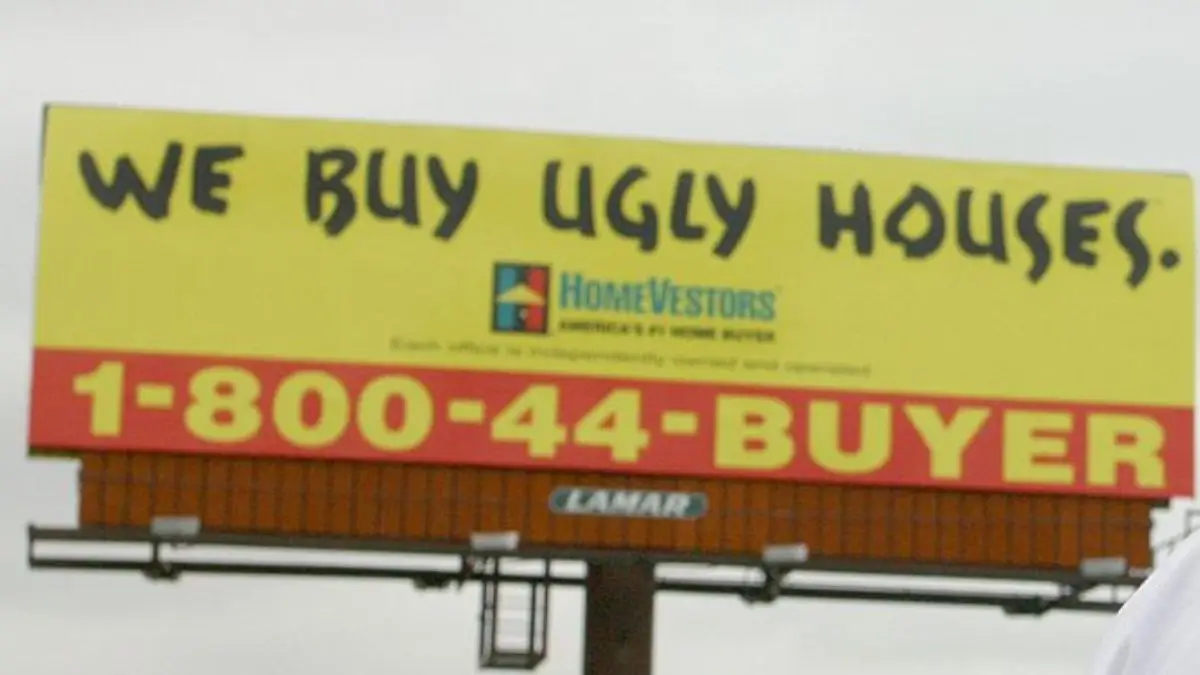
The company says it terminated Carrier’s independently owned franchise in 2024 after learning of his misconduct.
The case centered on Carrier’s company, C&C Residential Properties, a former franchise of HomeVestors of America, the company behind the nationally recognized We Buy Ugly Houses brand.
Prosecutors said he failed to properly secure investors’ money, sometimes placing overlapping liens on the same properties.
He also sold properties without notifying investors, used forged or unauthorized lien releases, and diverted funds to personal expenses, other businesses and earlier investors.
The scheme unraveled in 2024 when his business could no longer keep up with investor payments. The parent company cut ties with Carrier that same year.
In a statement shared with Atlanta Black Star, they said, “HomeVestors condemns the illegal conduct that led to Mr. Carrier’s conviction and sentencing, and it takes allegations of misconduct incredibly seriously.”
They acknowledged that “He previously managed an independently owned and operated franchise, which HomeVestors terminated in 2024 promptly upon learning of his misconduct. HomeVestors did not authorize, condone or contribute to Mr. Carrier’s criminal activities.”
“We believe justice has been served and remain committed to maintaining our high standards of integrity and accountability across our franchise system,” the statement concluded.
Charles Carrier, 67, received a 188-month prison sentence last Wednesday. He must also pay $24.4 million in restitution to victims, according to the U.S. Attorney’s Office for the Northern District of Texas. Carrier pleaded guilty to wire fraud in October 2025.
U.S. Attorney Ryan Raybould described the case as an example of the damage financial crimes can cause to people who place their savings in an investment opportunity.
“Financial fraud isn’t just numbers on a ledger — it’s a direct assault on hardworking Americans who trusted an alleged expert with their savings,” Raybould said in a statement.
The franchise model involves purchasing distressed or older homes, renovating them and then selling or renting them.
Carrier had been involved in the business for years and had previously built a reputation within the franchise network. According to ProPublica, he conducted training sessions for other franchisees and once described his operation as the largest and most successful HomeVestors franchise in the country.
The business eventually shifted from relying primarily on institutional financing to taking money from individual investors. Prosecutors said Carrier began using the individual loans in 2018, promising fixed returns of between 8% and 10% and telling lenders their investments were backed by first-position liens on properties.
Prosecutors said the arrangement later became unsustainable.
The scheme also drew civil litigation. Carrier and HomeVestors were named in lawsuits filed by investors after the financial problems became public. HomeVestors has argued in those cases that it should not be held responsible for Carrier’s conduct.
However, HomeVestors has also faced broader scrutiny of their own over the conduct of some of its franchisees.
A ProPublica investigation examined cases involving franchises that purchased homes from elderly homeowners at steep discounts. HomeVestors responded that those cases represented only a small portion of its transactions and franchise operations.
Carrier’s attorney, Tom Pappas, told The Dallas Morning News that his client regrets what happened and characterized the fraud as an effort to rescue a struggling business rather than an attempt to accumulate personal wealth.
“He regrets every single criminal act he did trying to recoup money for investors,” Pappas said.
Carrier previously told ProPublica that he eventually decided to stop the operation and acknowledge the damage he had caused. He pleaded guilty to wire fraud in 2025. This ended the case, prosecutors said, which grew out of years of misleading investors about the security and use of their money.
The FBI Dallas Field Office investigated the case, while Assistant U.S. Attorney Douglas B. Brasher prosecuted it. Federal prosecutors said the sentence reflects the scale of the losses suffered by investors, many of whom were individuals rather than large financial institutions.
Pappas said he was unsure if his client might eventually appeal the sentence.
“He’s 68 years old. He doesn’t want to spend the rest of his life in prison,” he said. “But he regrets taking shortcuts to try to fix things.”
As news of the case spread, social media users shared memories of the “We Buy Ugly Houses” signs. The signs once seemed impossible to miss across Dallas-Fort Worth. For some, the billboards and roadside signs became part of the scenery. Many remember seeing them long before they understood the business behind them.
“OMG,” one person wrote. Another recalled, “As a kid I always knew this was a scammer.”
“You mean those signs were a scam this whole time? THE WHOLE TIME?! You don’t say…” another commenter joked.
Others focused less on the allegations and more on a familiar part of Dallas-Fort Worth disappearing.


