The family of Sonya Massey says the death of the former Illinois deputy convicted in her killing brings no sense of justice.
Sean Grayson, 32, died Sunday just six months into a 20-year prison sentence for the 2024 second-degree murder of Massey. Grayson, who was white, shot Massey, a Black woman, in her home after she called 911 for help.
Grayson’s attorney, Daniel Fultz, confirmed his client’s death but did not disclose additional details. Sources told TMZ that Grayson had been battling advanced colon cancer and that the illness was believed to have caused his death.
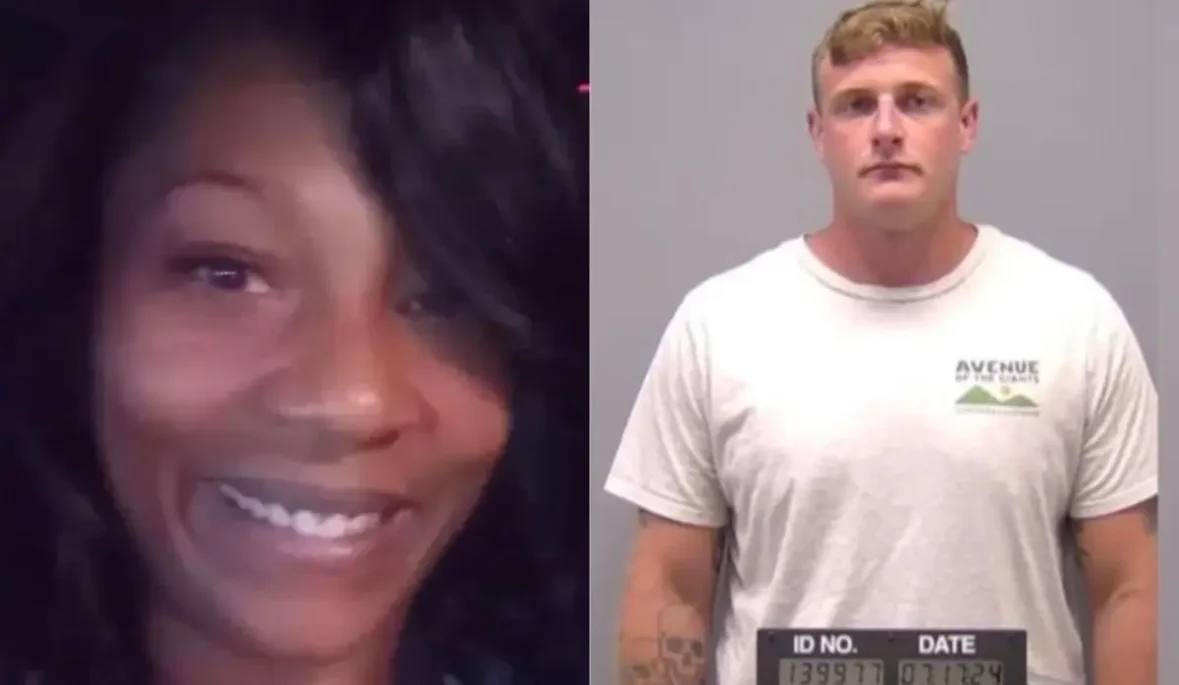
‘This is Not What Justice Looks Like’
Massey’s relatives said they were especially hurt by how they learned of Grayson’s death. Sontae Massey, Sonya’s cousin, told TMZ that the family was not contacted directly and instead discovered the news online.
Massey said he gathered Sonya’s mother, son and daughter to tell them what had happened, but they initially refused to believe him.
“They want to see his body,” he said, describing the family’s reaction.
For Massey’s family, Grayson’s death adds another layer of complexity to a case that has already left them searching for answers. Massey said relatives have continued struggling to obtain information since the trial.
“None of us are okay,” he said.
Massey also made clear that Grayson’s death does not represent the outcome he considers justice for Sonya.
“This is not what justice looks like to us,” he said. “I don’t think any Black American can achieve true justice. I think we got as good as we could get.”
He said he would have preferred for Grayson to remain incarcerated for the entirety of his sentence, regardless of his illness.
“True justice would be serving his full time. Sick or not,” Massey said.
Immediately following news of Grayson’s death, Sontae took to Facebook to request for, “everyone to please give my family some much needed grace and understanding right now.”
“Our family has experienced enough uncertainty, unexpected information, and things we learned only after the fact that receiving new information isn’t always simple,” he added.
A Guilty Verdict
Grayson was sentenced in January after his conviction for the July 2024 shooting. Massey had called 911 to report a suspected prowler outside her Springfield, Illinois, home. Grayson and another deputy responded, leading to a confrontation involving a pot of hot water that ended with Grayson fatally shooting Massey.
Her cousin recalls speaking with her only hours before her death. He said she was frightened to be alone and contacted her uncle. Family members planned to pick her up for breakfast the following morning and had encouraged her to make some tea to relax. That conversation, Massey said, explains why a pot of water was on the stove when deputies arrived.
The conviction was significant because criminal convictions of law enforcement officers for on-duty shootings remain rare. Grayson’s guilty verdict made the case a notable example of an officer being held criminally accountable for a fatal shooting.
Massey maintains the punishment did not fully reflect what happened to his cousin. He called Grayson’s explanations for pulling the trigger “insulting” and said he believed prosecutors should have pursued a first-degree murder conviction.
“He said what he was going to do and then he did it,” Sontae said.
Death Brings No Closure
Nearly two years after Massey’s death, her family is now left grieving her loss while processing the death of the man responsible for it. For Massey, Grayson’s passing offers no closure, largely because he believes the family was denied full accountability.
As previously reported, Grayson had already asked Illinois officials to shorten his sentence because of his declining health. In May, he petitioned for compassionate release under the Joe Coleman Medical Release Act, which permits terminally ill or medically incapacitated prisoners to seek early release.
Medical records submitted with the request described his condition as “irreversible and incurable” and indicated that he could have less than 18 months to live. However, an evaluating physician determined that Grayson remained capable of caring for himself and did not meet the legal standard for medical incapacitation.
The Illinois Prisoner Review Board unanimously rejected his petition late last month, leaving him to serve out his 20-year sentence. Massey’s family and attorneys welcomed the decision. Civil rights attorneys Ben Crump and Antonio Romanucci said the board “made the right decision,” adding, “No one is above accountability, and a badge does not provide an early way out.”
Grayson ultimately died before he could serve more than a fraction of his sentence. His death now leaves Massey’s family confronting a different ending than the one they expected when they fought to keep him incarcerated.


