A Texas judge who presided over Karmelo Anthony’s murder trial has been recused from handling the case after his post-trial interview with a local news station raised concerns about whether he could appear impartial.
Anthony, now 19, was sentenced to 35 years in prison for killing Austin Metcalf at a high school track meet in 2025.
During a hearing Aug. 19, Anthony’s new legal team argued Judge John Roach should be recused from further proceedings as they seek a new trial for the teen.
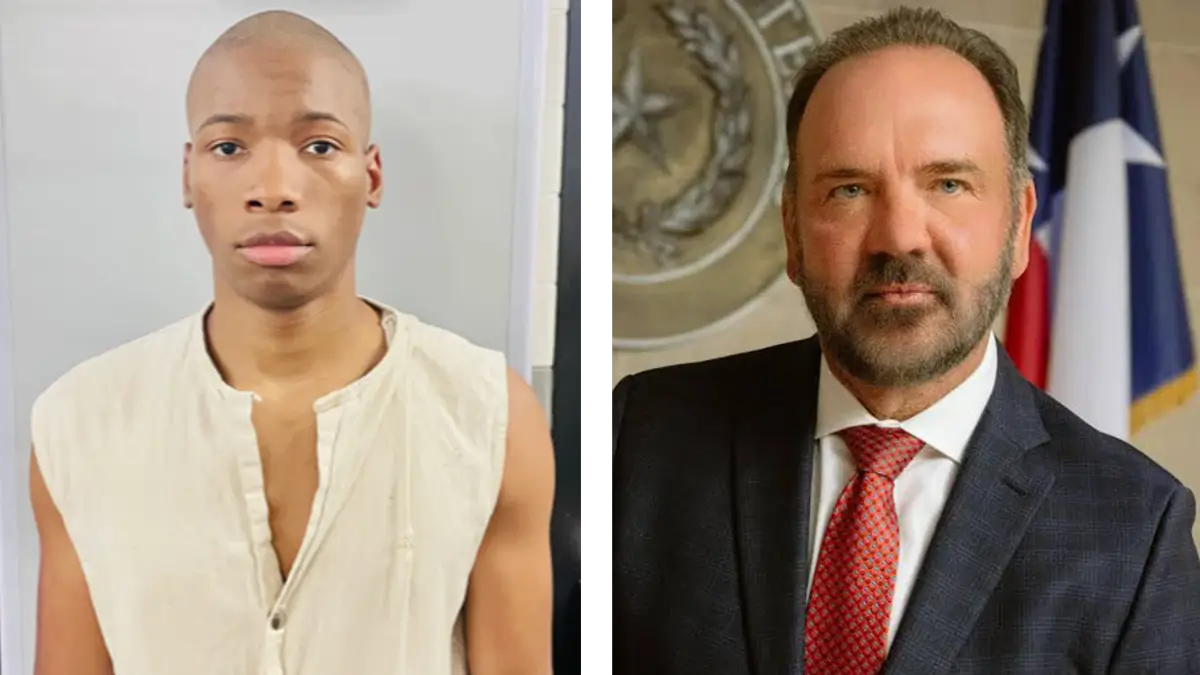
The defense pointed to an interview Roach gave to WFAA-TV days after Anthony was convicted, arguing the judge’s public comments about the case violated judicial ethics and created an appearance of bias.
“We believe based on the interview that was done, he could not be fair and impartial,” attorney Russell Wilson said during the hearing.
Visiting Judge Sid Harle listened Aug. 18 to the 18-minute, unedited recording of Roach’s interview. Harle said that while he personally believed Roach could still be fair, the interview was damaging to the appearance of impartiality.
The legal question, Harle said, was whether a reasonable person could listen to Roach’s comments and conclude that the judge was not unbiased.
‘I Sleep Well at Night’
The interview at the center of Wednesday’s hearing came days after Anthony was convicted by a jury that had no Black jurors on June 9.
During the interview, Roach described Anthony as “a nice young man who committed a crime” and said Anthony now “understands today, more than any day before today, the consequences of committing a crime as he did.”
“As long as I follow the law, I sleep well at night,” Roach told WFAA.
Roach also defended his conduct during the trial and the restrictions he placed on the proceedings, including not allowing cameras inside the courtroom.
Anthony’s attorneys have argued that the restrictions violated Anthony’s constitutional right to a public trial.
“I know I made people mad, but I’m not here to make them happy,” Roach said.
Anthony’s attorneys argued those public comments were enough to require Roach’s recusal.
Harle ultimately granted the defense’s motion, acknowledging that recusal is a “very high bar.”
After the judge’s ruling, a huge wave of applause and cheers erupted outside the courtroom as supporters celebrated the decision.
Prosecutor Bill Wirskye vehemently opposed the decision.
“[Roach] didn’t do anything wrong. I know Judge Roach. What is important to Judge Roach is being fair,” Wirskye said during the hearing.
Wirskye also criticized what he described as a “concerted effort” by “social media and influencers” to disrupt the case.
Roach’s Judicial Ethics Case
Roach previously has faced disciplinary action as a judge.
In 2018, a Special Court of Review examined Roach’s involvement in a book and business he created with his wife, Laura Roach, a family-law attorney.
The couple co-wrote “Divorce in Peace,” a 2016 book that encouraged couples to consider alternatives to traditional divorce litigation, including mediation and other forms of dispute resolution.
The book promoted the idea of avoiding costly and contentious courtroom battles and included information drawn from Roach’s experience as a judge who had presided over thousands of divorce cases.
Roach and his wife also created DivorceinPeace LLC, and an online referral service connected to the book.
The Texas State Commission on Judicial Conduct found that Roach violated judicial conduct rules by using the prestige of his office and his position as a judge to further the private interests of himself and his wife.
The disciplinary proceedings specifically focused on promotional materials, videos, and other activities connected to the Divorce in Peace project.
The court also found that Roach’s business dealings could involve him in matters that came before his court.
That disciplinary case is separate from Anthony’s current case and was not the basis for Harle’s decision to recuse Roach.
Why Anthony’s Lawyers Want a New Trial
Anthony’s legal team is raising several issues as it seeks to overturn his murder conviction.
One of the central arguments involves an informal “gentleman’s agreement” between Anthony’s original defense team and prosecutors about what evidence could be presented at trial.
According to a motion filed by Anthony’s new attorneys, the agreement was intended to keep potentially prejudicial information about Anthony and Austin Metcalf out of the trial.
The defense agreed not to introduce certain information about Metcalf, including allegations involving bullying and racism. Prosecutors agreed not to introduce certain information about Anthony, including his school disciplinary history and other background information.
Anthony’s former lead attorney, Mike Howard, later alleged that prosecutors violated that agreement and that the dispute affected Anthony’s decision about whether to testify.
“We are arguing the dispute regarding the agreement did impact the outcome of the trial,” Wilson said during the hearing.
However, prosecutors have disputed the defense’s account.
Court transcripts obtained by CBS Texas show Howard telling the court during a private discussion that he believed the agreement had been honored. Roach also told the parties he was not bound by an informal agreement and would make evidentiary decisions based on the rules of evidence.
The new legal team has also challenged the restrictions placed on public access to Anthony’s trial, arguing they violated his constitutional right to a public proceeding.
What’s Next?
Retired Kaufman County District Judge Michael Chitty will take over the case. Chitty previously served as a senior district judge in Kaufman County.
He will hear arguments Thursday morning seeking a new trial, which could bring new facts and previously undisclosed testimony to light.
The motion for a new trial must be resolved within the applicable post-sentencing deadline of 75 days.
A ruling could come as early as Aug. 24. If no ruling is issued by the deadline, the motion could be overruled by operation of law.
Atlanta Black Star reached out to Anthony’s legal team for comment but has not heard back.