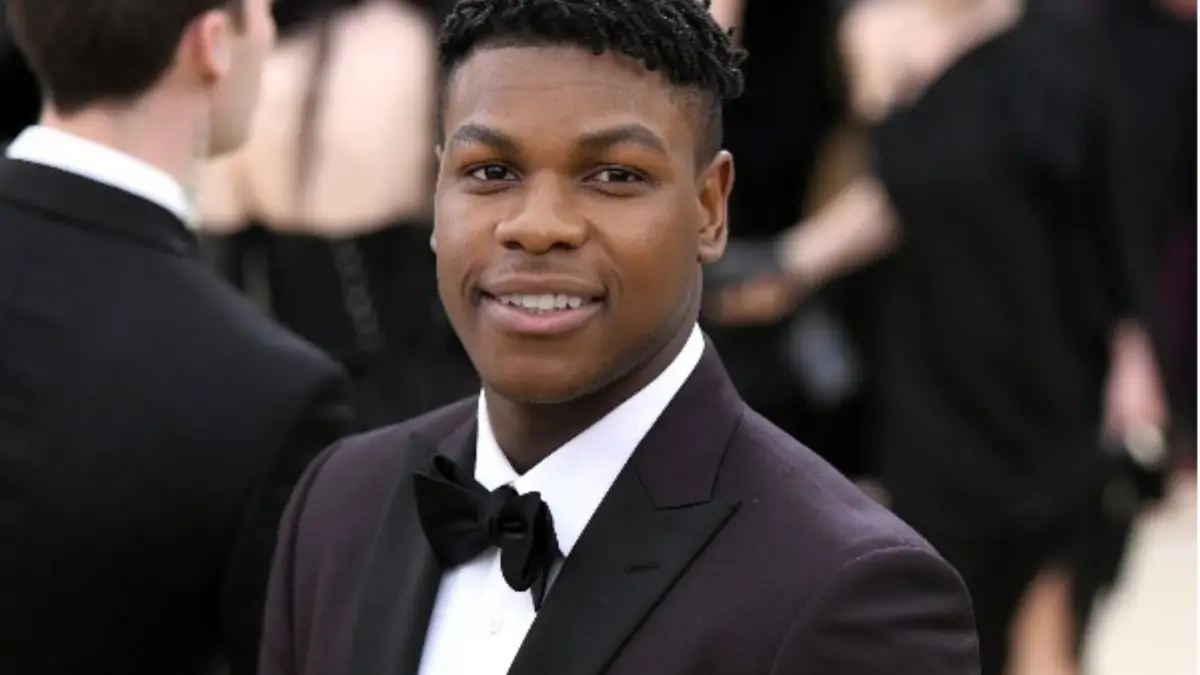
John Boyega is not holding his tongue when it comes to the lack of diversity in the “Star Wars” franchise.
Boyega played the role of Finn in “Star Wars: The Force Awakens” (2015), making him the first Black lead in the film series. In the March 28 premiere of Apple TV’s “Number One on the Call Sheet: Black Leading Men in Hollywood” documentary, Boyega said “Star Wars” is “so white” and used his role as Finn to explain why it becomes so significant when a Black person is cast as a lead character in a film with a predominantly white cast.
“Lemme tell ya, ‘Star Wars’ always had the vibe of being in the most whitest, elite space. It’s a franchise that’s so white that a Black person existing in [it] was something,” Boyega says.
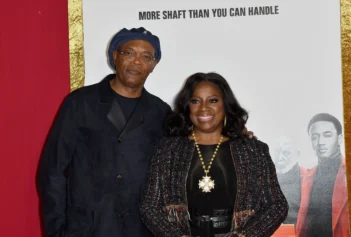
“You can always tell it’s something when some ‘Star Wars’ fans try to say, ‘Well, we had Lando Calrissian and had Samuel L. Jackson!’ It’s like telling me how many cookie chips are in the cookie dough. It’s like, they just scattered that in there, bro!”
Lando Calrissian, portrayed by Billy Dee Williams, made his debut in “Star Wars: The Empire Strikes Back” in 1980. Williams made history with this role by becoming the first major Black character in the Star Wars universe. “Empire Strikes Back” was the second film in the franchise following “Star Wars: A New Hope,” which was released as simply “Star Wars” in 1977. Samuel L. Jackson later portrayed Jedi master Mace Windu in “Star Wars: The Phantom Menace.” This was the fourth installment and was released in 1999.
Boyega even pointed out the difference in ways Black actors are embraced when they step into leading roles in a majority white film or play characters that may have been initially white.
“They’re OK with us playing the best friend, but once we touch their heroes, once we lead, once we trailblaze, it’s like, ‘Oh my God, it’s just a bit too much!’ They’re pandering.”
This is not the first time Boyega has spoken about discrimination during his “Star Wars” days. When it was first announced that the British actor would be cast in the 2015 film, he was met with nasty comments and threats.
He spoke about that experience in his 2020 interview with GQ.
He said, “I’m the only cast member who had their own unique experience of that franchise based on their race. Let’s just leave it like that. It makes you angry with a process like that. It makes you much more militant; it changes you. Because you realize, ‘I got given this opportunity, but I’m in an industry that wasn’t even ready for me.’”
“Nobody else in the cast had people saying they were going to boycott the movie because [they were in it]. Nobody else had the uproar and d–th threats sent to their Instagram DMs and social media, saying, ‘Black this and black that and you shouldn’t be a Stormtrooper.’”
The “Woman King” star is not remiss to acknowledge that Star Wars was monumental for his career. But he won’t neglect to recognize the racial downsides that came with it.