The late actress Dalyce Curry, best known for her roles in “The Blues Brothers” and “The Ten Commandments,” is being mourned after dying in the widespread Los Angeles County wildfires. Remains of the 95-year-old were found inside of her Altadena residence, a vibrant community located 30 miles outside of L.A.
The unprecedented blazes began in the Pacific Palisades and Eaton communities on Jan. 7, with three additional infernos developing across the city of Los Angeles, causing widespread evacuation orders and a state of emergency declaration by Gov. Gavin Newsom.
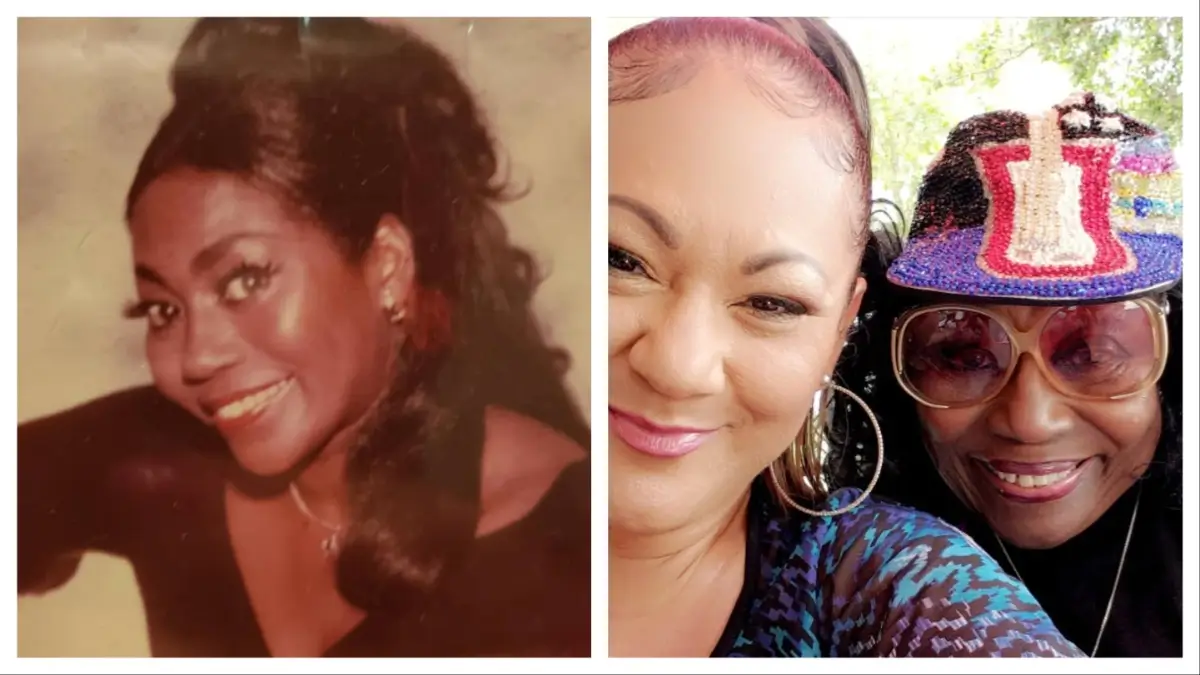
On Monday, Jan. 13, more than 40,000 acres have burned, 12,000 structures decimated, and the death toll continues to rise with at least 25 lives claimed as firefighters battle strong Santa Ana winds.
Her granddaughters, Dalyce Kelley and Loree Beamer-Wilkinson, feared the worst when they spoke with ABC News in Los Angeles early Sunday Jan. 12. “If she was still alive, I would have been called by now,” said Kelley, who was the elderly woman’s primary caregiver.
Later that evening, her passing was confirmed. In a Facebook post, Beamer-Wilkinson wrote the search for their “Momma D,” as they affectionately called Curry, had ended. “We are devastated, and it’s difficult to comprehend how her life came to this end,” continued the post.
The Hollywood talent is remembered as someone who “radiated positivity, showed grace, and lived as a shining example of strength, resilience, and kindness. Her story is one of breaking barriers, overcoming challenges, and spreading love wherever she went.”
Kelley’s last time seeing her grandmother was Tuesday around midnight after dropping off the senior citizen back home from a day spent at the hospital. While driving away, Kelley noticed the Eaton fire in the mountains but had no idea the flames would become a threat to her loved one. So, she continued on her journey home to care for a sibling undergoing cancer treatment.
When she awoke the next morning, she had a text alert stating that Curry’s home had lost power. She rushed over to find ashes of a former community. “I’m sorry your grandmother’s property is gone. It totally burned down,” an officer told her.
On Friday, Jan. 10, she returned to the property and witnessed the devastation firsthand. By that time, she had already searched the Pasadena Civic Center, where displaced residents were being housed, as well as shared missing person posters on social media.
In the caption of a video recorded at her grandmother’s residence, Kelley wrote, “She’s under this roof part I know. I just have to wait until the cadaver search at this point. I’ve done all I can do y’all.” All that remained was piles of rubble, some remnants of furniture, and the shell of Curry’s Cadillac sedan.


