The University of Georgia has been grappling with a bat infestation in a dormitory, and school officials are working to get rid of them.
Last weekend, an estimated 30 bats were spotted in the rafter of a mechanical space at Oglethorpe Hall, the school told Atlanta News First. Pest control cleared the critters, and officials sealed the area from student entry.
Students at the university have been complaining for weeks about the bats that were on multiple floors of the residence hall. As WSBTV reported, the problem started on Jan. 14.
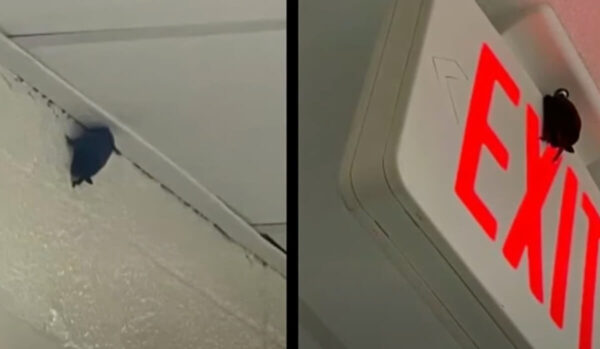
Videos sent to the new stations show more than a dozen bats inside the building. A person said one of the animals even entered their living space.
“A bat came into my room. I was just doing homework and it just crawled under my door, and I freaked out obviously, but I decided to stay calm and sit and wait it out to see if it went away,” a student previously explained to Atlanta News First last month.
Other residents mentioned seeing posters about what to do if you contract rabies. Since some bats are legally protected, pest control can’t exterminate them, according to the report.
“I understand that a lot of this is very expensive, but you’ve got to think about the students as well. I could have easily gotten bitten and that would have been even more expensive,” another student added.
School officials announced that they set up a one-way valve in the area where the pests entered so they could leave the building, per WSB-TV. It will also prevent them from getting back in again.
Although the bats were removed, pest control is keeping an eye out for any additional sightings. The university urged its students not to touch the bats if they encountered one in the dorm.
They also told them to take a public health survey, but many residents are still concerned.
“I don’t know how exterminating works, but I feel like there could be more done. But they have certain qualifications they can’t do because they’re a protected species. But I go to school here, am I not a protected species? I sure hope I am,” a freshman said during an interview with Atlanta News First.


