Emmy-winning actress Sheryl Lee Ralph has been married for 19 years to Pennsylvania state Sen. Vincent Hughes.
The “Abbott Elementary” star lives and works in Los Angeles, California, where the show is filmed despite its portrayal as being in Philadelphia.
While the couple is enjoying their bi-coastal marriage, many are wondering how they keep it together. The two say its simple, they love each other.
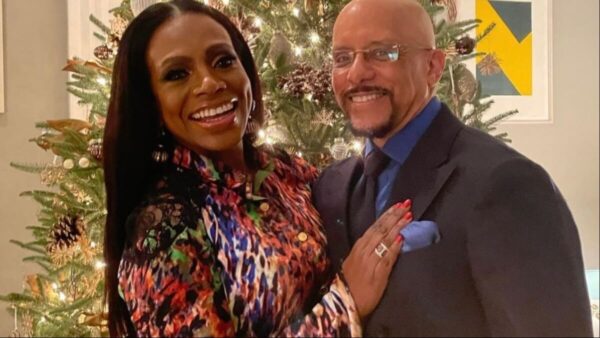
During an interview on the 75th Annual Emmy Awards red carpet, the celebrity couple talked about their unique living arrangements.
“We’ve been commuting ever since the beginning, and it’s worked out for us and so it’s cool,” Hughes shared with ET’s Nischelle Turner.
“Vincent and I have been married going on 19 years. We’ve been together 21 years. ‘Abbott [Elementary]’ is shot in Los Angeles,” Ralph added. “My husband, as a senator, is always in his Capitol, so I don’t know what magic people think we’re gonna do.”
Hughes, a 67-year-old West Philadelphia native, has been a dedicated politician since becoming a Pennsylvania state representative in 1987. As a state rep he chaired the Pennsylvania Legislative Black Caucus from 1991-1994, leaving only when he became a state senator in 1994. Currently, he serves as the Democratic Chairman of the Senate Appropriations Committee, a role held since 2011.
The senator made national headlines for his championing of Senate Bill 806, the Universal Automatic Voter Registration Act. This act aimed to register people automatically during any state government interaction.
One of his passions is education and creating opportunities for children in Philadelphia’s inner-city schools — much like the fictional Abbott Elementary — which is another reason why the 66-year-old Ralph working on the show as a platform for advocacy is so powerful for the couple.
“It’s an important issue that she’s speaking about now, teaching and education, which other folks want to abandon,” he said. “That we must rush towards.”
Actress Sheryl Lee Ralph & her husband of 20 years are finally taking that big step and moving in together in the same house. She lives in LA full time while he stayed in Pennsylvania. The couple seen each other every 2 weeks since 2005. pic.twitter.com/ZAJuBbsXS9
— Black Millionaires ® (@Blackmillions_) December 5, 2023
In 2022, right before Ralph, a 50-year television and film veteran, won her first Emmy, the two appeared on “PoliticsNation” with Rev. Al Sharpton and talked about balancing their lives with Hollywood and politics and finding common ground.
Ralph’s portrayal of Barbara Howard on the show, where the school is challenged for resources, and his efforts in advocating for the $45.2 billion budget plan, featuring an $850 million boost for K-12 school districts, offers that common ground.
Because both of their work is time-consuming and deemed important by both of them, they can’t see each other often.
“We see each other on the average of every two weeks” the “Moesha” actress stated.
Despite the distance, the dynamic duo, both activists for health care and HIV/AIDS awareness, have figured out what works for them.
“Everybody who questions that I say, guess what?” Ralph rhetorically asked. “We’re still married!”
#AbbottElementary star Sheryl Lee Ralph on the #Emmys red carpet with her husband, Vincent Hughes.pic.twitter.com/fujBTFEwbu
— Geeks of Color (@GeeksOfColor) September 12, 2022
The couple did live together during COVID-19, spending almost all of their time together.
“We were together 24/7,” the original Dreamgirl said. “It was absolutely great. I thought, ‘Wow, I like this, man.’”
In December 2023, reports stated that the two were actually going to move in together full-time.
Neither Ralph nor Hughes has confirmed a change in their living arrangements, but they plan to keep on loving each other no matter what. They share no children together, though Ralph has a son and a daughter with her ex-husband, Eric Maurice.