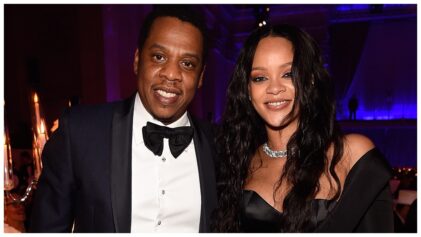
Jay-Z sat down with journalist Elliott Wilson and Jeymes Samuel, the director of the new Western “The Book of Clarence” for a recent Q&A on Jan. 6.
The “Song Cry” rapper co-produced the film and during the discussion, he noted the origins of the term “cowboy,’ stating that it was previously used as a slur against Black men.
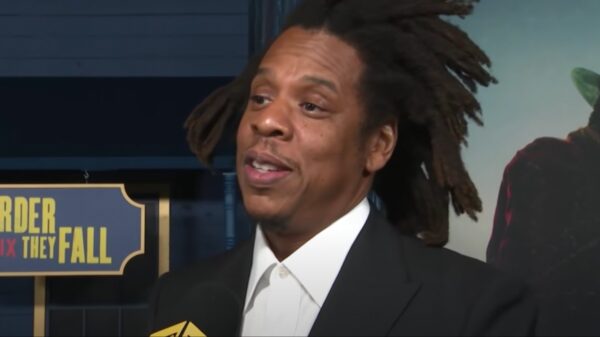
“I believe the term ‘cowboy’ was created as a slur for Black people,” he said. “I think that’s where the term comes from. In my research of history, the term comes from, it was a slur, and obviously, like most things, you know, we made it look so good they was like, ‘give that back.'” He continued, “It’s just representation.”
But Jay-Z isn’t wrong. The word “cowboy” in Spanish means vaquero, which is derived from the Spanish word for cow, vaca. A vaquero is an expert horseman who herds cattle on horseback. The Spanish introduced cattle to the New World centuries before Americans began raising them.
According to the book “The Negro Cowboys” by Philip Durham & Everett L. Jones, during the 1800s after the Civil War, white cowboys were called “cowhands” while Black cowhands were called “cowboys.” 20 to 25 percent of cowboys were Black after slavery ended as freed Americans traveled West and found work in the cattle industry.
The “cowboy” clip of the interview was shared by the Hip Hop Wolf on Instagram, where fans also mentioned the historical context of the word. One fan replied, “Black cowboys were the original cowboys.” Another added, “You learn something new every day.”
In response to many who cast doubt on Jay-Z’s definition, one person said, “I salute Jay. It saddens me that soo many of OUR people didnt / dont know this.”
While promoting his first western, “The Harder They Fall” starring Idris Elba, Regina King, RJ Cyler, and LaKeith Stanfield back in 2021, Jay-Z told “Entertainment Tonight” that it was important to educate people and “widen the lens” about history.
“I just love to be a part of projects that widen the lens you know because once it’s widened for us then it’s widened for you know Asians, for, you know, Mexicans, for everyone,” he said.
The film producer added that Westerns used to dominate television screens, and Black people weren’t represented. “One of the only things on, you know, public television was Westerns every week,” he continued. “We weren’t represented in those in those at all.”
Cyler and Stanfield also star in “The Book of Clarence” premiering in theaters this Friday, Jan. 12.