Rudy Giuliani just officially declared he is bankrupt in the face of mounting legal debts that are imperiling his financial standing.
Just one day after a federal judge ordered that he must expedite the nearly $150 million payment in damages to former Georgia election workers Ruby Freeman and Shaye Moss, the former New York City mayor and Trump attorney filed for Chapter 11 bankruptcy.
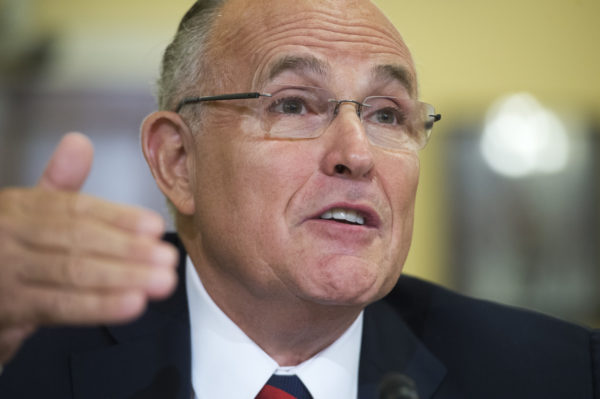
Documents show Giuliani listed nearly $500 million in debts, including that $148 million payout he owes the two women, The Washington Post reported. Also included in that paperwork were “unknown” amounts of debt to election technology companies Smartmatic and Dominion Voting Systems, which targeted Giuliani in their defamation lawsuits about the 2020 presidential election. He listed his assets at around $10 million.
“The filing should be a surprise to no one,” Ted Goodman, a spokesman for Giuliani, said in a statement. “No person could have reasonably believed that Mayor Rudy Giuliani would be able to pay such a high punitive amount.”
This comes swiftly after Judge Beryl Howell just granted Freeman’s and Moss’s request that Giuliani must immediately pay what they’re owed without delay. What this meant was that the women didn’t have to wait the standard 30 days to begin trying to seize Giuliani’s assets. The mother-daughter pair were concerned Giuliani might “find a way to dissipate [his] assets” to avoid shelling out the damages.
Howell agreed that Giuliani’s record as an “unwilling and uncooperative litigant” is a “good cause” to believe he might attempt to dissolve his finances during this time.
It’s unclear at this time how Giuliani’s bankruptcy filing will impact the payout he owes Freeman and Moss and how the women will be paid. However, his spokesman said the filling gives Giuliani “the opportunity and time to pursue an appeal, while providing transparency for his finances under the supervision of the bankruptcy court, to ensure all creditors are treated equally and fairly throughout the process.”
Initially, the women only wanted up to $43 million in damages after Giuliani publicly circulated lies that they committed ballot tampering during the 2020 presidential election. His campaign incited numerous, heinous threats against the duo, which they claimed caused emotional and mental distress.
Giuliani’s lawyer characterized their multi-million dollar request as the “civil equivalent of the death penalty” in court.
Yet, it didn’t take long for the jury to decide that the former New York mayor and Trump attorney must pay more than three times what Freeman and Moss sought.
Currently in court filings is a second lawsuit that Freeman and Moss brought against Giuliani after he continued to spread his false claims about the two women even after his defamation trial ended. They don’t want any more money, but they are seeking a judge to order him to stop speaking about them publicly.
This most recent order to expedite that sizable payment was a major hit to Giuliani, who was already in dire legal straits before filing for bankruptcy. He’s already facing an injunction in New York for unpaid attorneys’ fees, and he is set to stand trial next year for criminal racketeering in Georgia.


