A museum based in Germany is poised to return human skulls swiped from a former African colony during colonial times to “the countries of origin” and found a link to living descendants, according to reports.
The Museum of Prehistory and Early History in Berlin announced the discovery last week, on Sept. 5, The Guardian reported. During their investigation — which started in 2017 — researchers found a connection between the DNA from the remains and relatives in Tanzania.
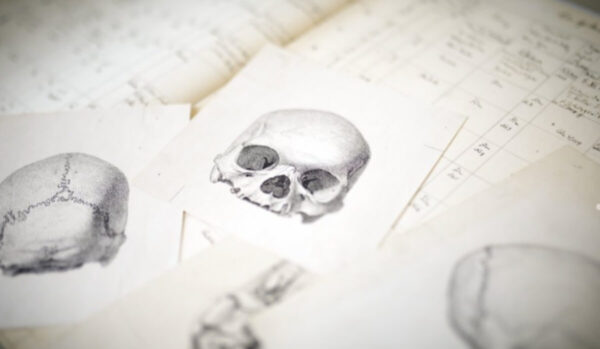
More than 1,000 skulls were originally recovered from an area dubbed German East Africa. The outlet reported that the former colony comprises Rwanda, present-day Burundi, Tanzania’s mainland, and parts of Mozambique. More specifically, the remains were reportedly part of a more extensive collection of skulls that the museum obtained in 2011 from Berlin’s Charité, one of Europe’s major university hospitals.
The museum said that it worked with researchers from Rwanda on this project. According to The Guardian, intelligence gathered from eight skulls will aid in the search for the descendants.
“The clear objective of provenance research on these human remains is to return them to the countries of origin,” Hermann Parzinger, president of the museum, said in January. “We are prepared to return these remains immediately, and we are now waiting for signals from the countries of origin.”
The skulls, according to The Guardian, are believed to have been stolen from burial sites, caves and cemeteries and transported to Germany under the guise of research during the colonial era. Per the Associated Press, the remains also stemmed from, in part, execution sites.
“The repatriation of human remains from people who were murdered and abducted during Germany’s colonial period cannot undo the crimes committed,” said Jeannine Kantara, cofounder of Initiative Black People in Germany, per DW. “However, they are an important step towards the historical reappraisal, acceptance of responsibility and reparations by today’s Federal Republic of Germany.”
The country has taken steps to acknowledge the horrors of the colonial era. As CNN reported in 2021, former German Foreign Minister Heiko Maas agreed to pay $1.3 billion for the crimes against the Hereo and Namaqua groups during the “German colonial rule.”
“Our goal was and is to find a common path to genuine reconciliation in memory of the victims,” Maas said in a statement at the time, the outlet reported. “This includes naming the events of the German colonial period in what is now Namibia, and in particular, the atrocities in the period from 1904 to 1908, without sparing or glossing over them. We will now also officially call these events what they were from today’s perspective: a genocide.”
The decision was met with backlash from descendants who felt like they were not included in remedy discussions — and they are still arguing for a say in the deal years later.


