The Center gets to the heart of the lifestyle, parenting, relationships and finance conversations impacting the culture. Convene here to express and share personal and poignant points of view that arise in everyday life.
I grew up in a house with an alcoholic father and a mother who did everything she could to normalize my life for me. When I started to see the subtle signs in my current husband, I knew I was in trouble.
My husband and I have been happily married for nine years, and we have a 6-year-old daughter. We both know how to let our hair down and have a good time. I remember nights when he had to take the keys from me to get us home and vice versa, but we always make responsible decisions and get home safely. Plus, our drinking was mostly limited to weekends and social events. But recently things have taken a turn for the worst.
Unfortunately, my mother-in-law passed away two months ago. My husband has taken it really hard because it was totally unexpected, and he and his mom were very close. My husband doesn’t express himself during difficult times. He’ll often take time to himself and deal with it. So I expected a period of mourning for his mother.
Initially, he was having a couple of drinks in the evening after work to quiet his mind. I sat and drank with him on occasion to provide emotional support. By week two, I asked him if everything was okay because the every-weeknight habit was growing concerning.
By the end of the month, it appeared the weeknight drinking slowed down but what I didn’t know was he just figured out how to hide it from me. I began noticing him topping his coffee off with liquor every morning. He even began carrying a mug with liquor to drink at work.
My husband has worked for a package delivery service for almost a decade, and just last week was pulled over for allegedly swerving in and out of a lane. Now he’s virtually out of a job, suspended without pay for DUI. Right before that, he left our daughter in the after-school program for an absurd number of hours past the school’s deadline to pick up because he was at home passed out drunk.
I had to leave work to pick her up. Later that evening, I found a bottle of brown liquor under the sink in our daughter’s bathroom. What is going on?
It’s been two months. I want to give my husband grace while he mourns his mother. I understand that he may be trying to numb the pain, but I’ve seen this cycle play out before with my father. I can’t repeat that same experience for my daughter.
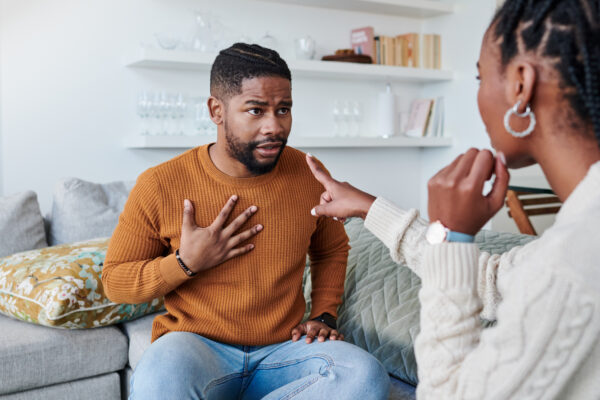
I have confronted my husband about leaving him if he doesn’t go to rehab, but he continues to blow the idea and me off. I love my husband, and if I leave him I am concerned that he could spiral out of control, but leaving the addictive behavior unaddressed could also ruin him. How else can I convince my husband to get help?
Send us your queries to [email protected] and let our readers offer some perspectives on how to navigate these conversations.


