Jermaine Dupri is clearing up the misconception that he failed to help rapper Latto capitalize on her early career after she starred on his TV rap competition series “The Rap Game.”
Latto, then 16 and going by Mulatto as her stage name, appeared on the first season of the Lifetime network series in 2016, alongside four other aspiring teenage rappers.
The emcee from the Atlanta metropolitan area of Clayton County, Georgia, proved she was the most prepared for stardom among her peers in the span of six weeks.
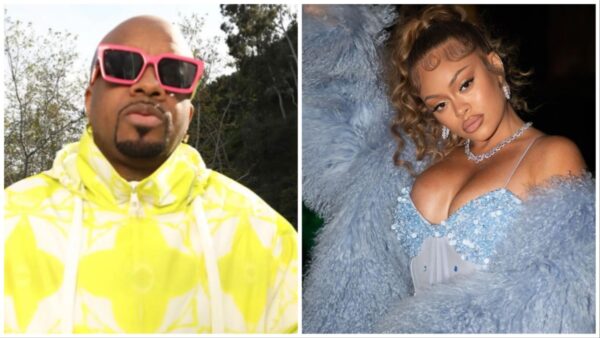
“People keep always saying, ‘Jermaine, you dropped the ball on Mulatto,’ or Latto, right. And what I don’t think people understand is, I put Latto’s record out,” Dupri told HipHopDX in an exclusive interview on May 6.
Despite winning the competition, earning her own So So Def chain, and a record from the hit making producer, it seemed as though her career hit a lull. That’s at least until 2019, when she gained widespread notoriety with her single “B—h from Da Souf.”
Related: Rapper Mulatto Seemingly Changes Her Stage Name to ‘Latto’ After Years of Backlash, Fans Are Split
Dupri, however, is adamant that he did his part to help the female rapper reach new heights of success, but most hip-hop fans failed to support her teenage endeavors.
“The deal was if you win on ‘The Rap Game,’ you get a single from Jermaine Dupri on So So Def. That single came out. The problem was, is that Latto was 16 years old, and the outlets didn’t support it,” he said.
The “Welcome to Atlanta” rapper added that media outlets covering the genre also failed to give Latto the coverage her career needed. “Nobody was, like, speaking on it. Nobody talked about it. You know if you watched the TV show.” The veteran music producer said the early lackluster response to Latto is something he still faces with his artist Young Dylan.
Having helped launch the careers of Kris Kross and Bow Wow, Dupri said that, to an extent, the challenges of getting people to notice kid rappers are par for the course. But in building a platform, such as “The Rap Game,” the onus ultimately does not fall on just him.
Latto previously revealed she turned down a record contract with the music executive after the show’s success. “It’s too many money flows right now. I can ride this indecent route for a minute,” she told VladTV in 2018. She ultimately went on to sign a deal with RCA Records in 2020.
From his perspective, the “777” artist picked up steam when she became appealing to a broader audience. “People didn’t start Latto till she started making more vulgar records, dressing more sexual, being an adult,” added Dupri.
In April, Latto appeared on NPR’s “Louder Than a Riot” podcast, where she addressed the change in her lyrical content. “There was never a sit-down meeting where I’m like, ‘Okay, now I’m gonna do this so people can start paying attention to me,’ ” explained the now 24-year-old.
“No, I literally just became a grown woman. I went from living in my mama house and having a curfew to being grown. I’m f—king, I’m s—king, and I’m rapping about it. It is what it is. I guess I could see how that could be interpreted differently, because people didn’t see the transition,” she continued.
Latto explained that as a female rapper, there has to be some level of sex appeal, but that is not all she has to offer.


